


Future Trends in Generative Visual AI: What Comes After Image & Short Video Generation?
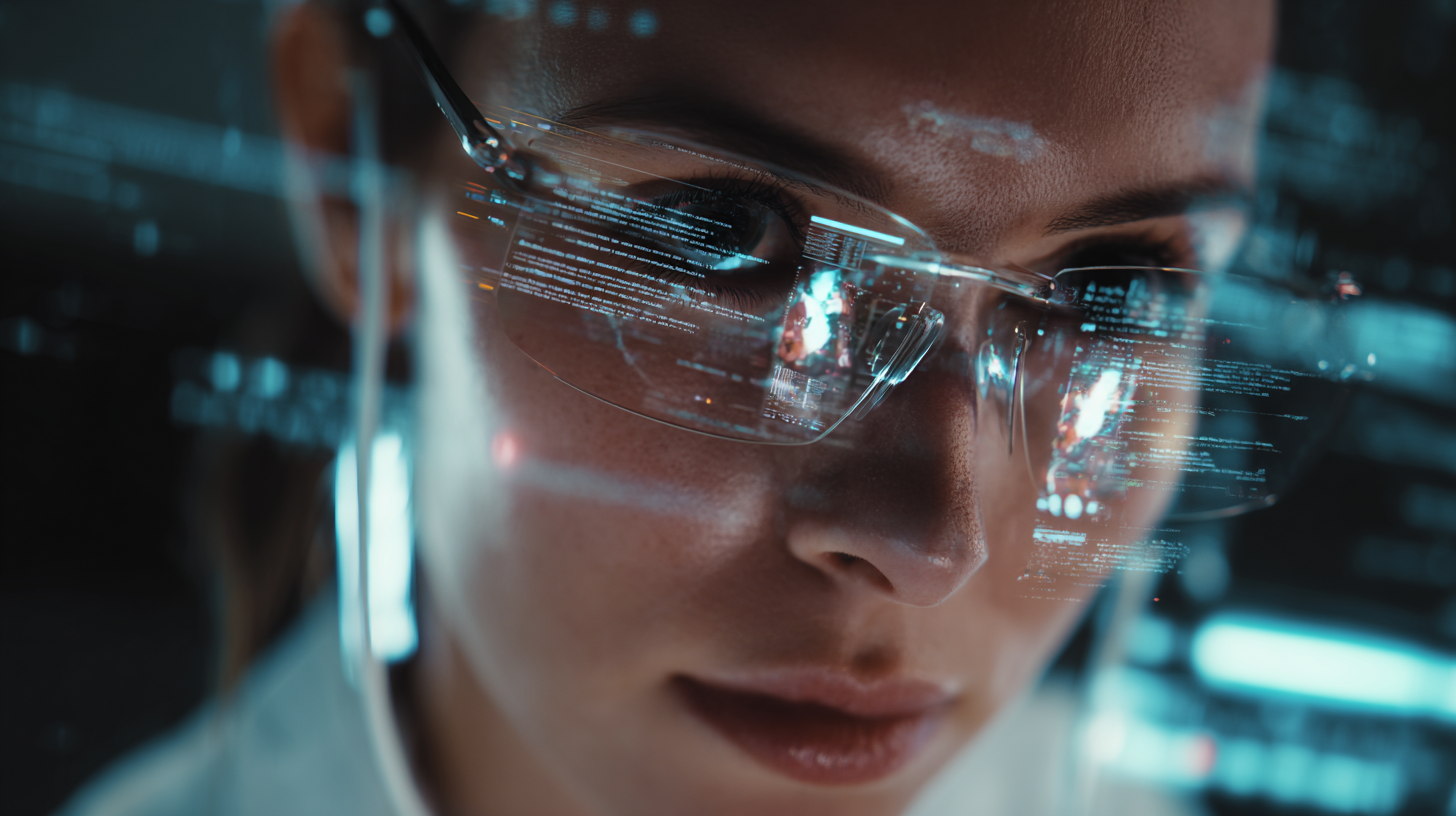
The image and short video wave is only the beginning. Here’s what comes next for generative visual AI — from real-time content, 3D, AR, and personalized media to ethics, watermarking, and the rise of creative automation platforms.
Introduction
2023 to 2025 was the era of generative visuals. Tools like Midjourney, Seedream, Runway, and Higgsfield made it easy for individuals and brands to create high-quality images and short-form videos using only prompts. This creative boom flooded the internet with AI-generated portraits, product mockups, fashion videos, social reels, and animated explainers.
But this is just the start.
As we enter 2026 and beyond, generative visual AI is poised to leap into real-time generation, 3D modeling, interactivity, hyper-personalization, and multi-modal storytelling. This article explores where we’re headed, what it means for businesses and creators, and what challenges we’ll need to navigate along the way.
1. Real-Time Generative Content
What It Is
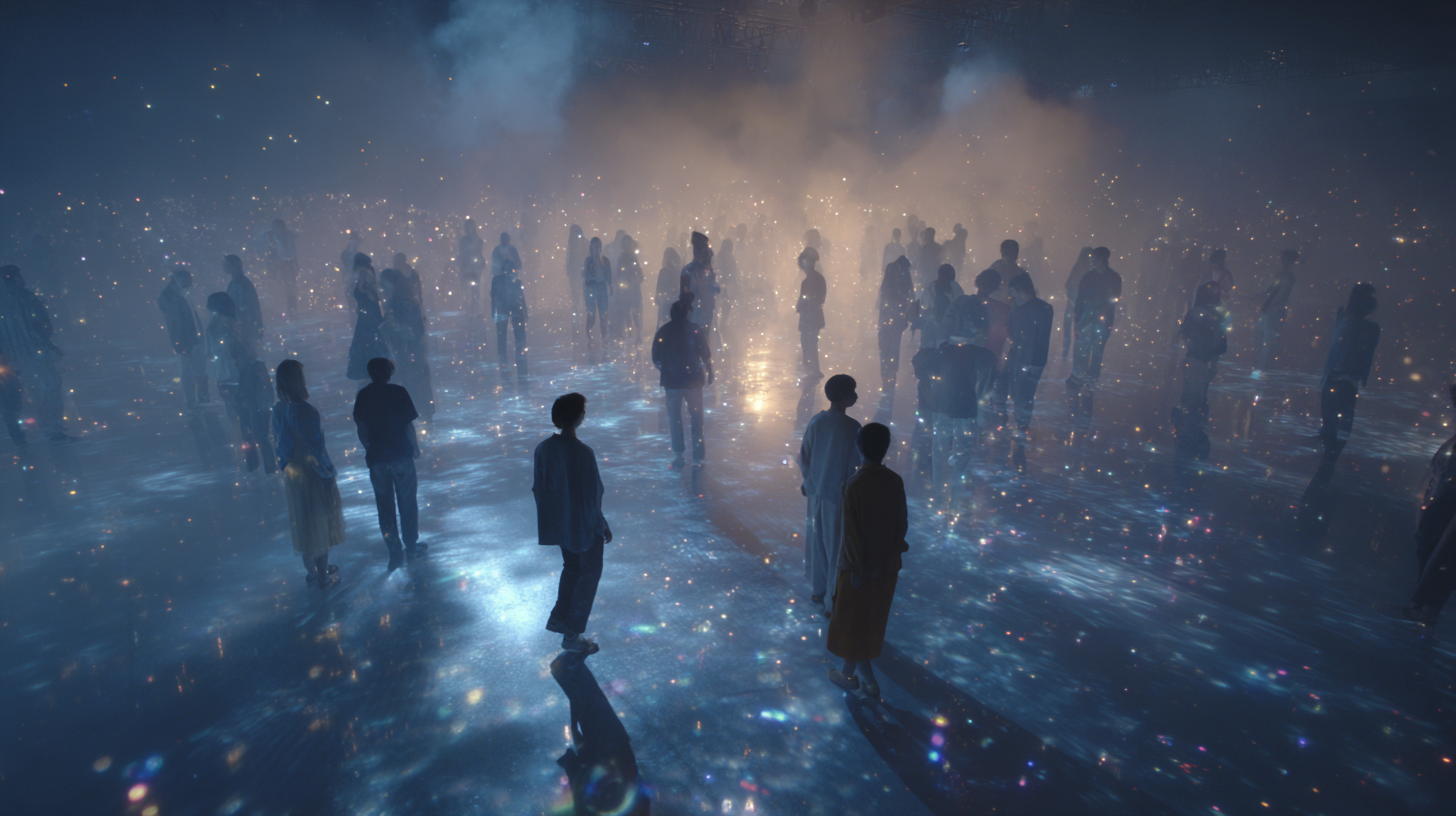
The ability to generate visuals — images, videos, UI — on demand based on context. Think:
- Product renders tailored to each user in real time
- Video content that responds to viewer inputs
- On-the-fly visuals for chatbots, games, virtual events
Examples
- E-commerce sites that show a shoe or watch styled for your local weather
- Travel apps that generate destination visuals in your preferred aesthetic
- Ads that adapt motion, background, and models based on audience segment
Why It Matters
It shifts content from “static” to “dynamic”, turning every visual into an intelligent object.
Key Tools Emerging
- Inference-efficient LLMs with visual backends
- Web-based rendering pipelines (WebGPU, WebRTC)
- Integration layers: Shopify + AI generation, Figma + inference engines
2. From 2D to 3D to XR (Extended Reality)

The Shift
Generative AI is rapidly evolving beyond flat media into spatial, interactive content:
- 3D Product Generation: Create interactive product models for web, mobile, and AR from just a few images
- AI-Generated Environments: Virtual sets, showrooms, spaces for games and ecommerce
- Holographic Content: Display on spatial devices (like Apple Vision Pro)
- Mixed Reality Content: Create AR assets (try-on filters, object placement) from product prompts
Tools Driving This
- Spline AI, Kaedim, Luma AI, Meshcapade (for 3D model generation)
- Stable Video 3D and DreamGaussian
- WebAR frameworks powered by AI image-to-mesh conversions
Strategic Impact
Brands won’t just show products — they’ll drop customers into environments. Think virtual stores, interactive showrooms, or stylized brand worlds that feel like games.
3. Generative Personalization at Scale
What Changes
Instead of producing one visual per campaign, brands will create thousands — one for every segment, persona, or even individual.
Use Cases
- Personalized social ads showing different environments for the same product
- Email headers that generate dynamically based on user location, history, or behavior
- E-commerce visuals adapting for different cultural contexts
How It Works
- LLMs generate creative briefs per segment
- Visual AI tools render assets in batch
- Output delivered via dynamic asset delivery platforms (e.g. Smartly.io, Cloudinary)
Challenges
- Maintaining brand consistency across high output volume
- QA and approval at scale
- Ethical issues around targeting and perception management
4. Longer-Form Narrative Generation
What’s Emerging
Until now, most AI video tools have been for 3–10 second clips. But:
- Multi-shot sequencing (Higgsfield Seedance Pro)
- Character continuity (VoxPose, Animate Anyone)
- Motion-to-motion generation (Runway's Gen-3 Alpha)
- Audio sync, dialogue generation (ElevenLabs, D-ID)
This leads to:
- 30-second ad spots
- Explainer videos
- Music videos and video essays
Eventually: AI-powered short films.
Opportunities
- High-volume, low-cost content for social, commerce, onboarding
- Auto-localization (voice, actors, visual cues)
- Modular storytelling (plug-and-play video blocks)
5. Fully Generative 3D Ads & Experiences
What’s Coming
AI-created 3D ads for:
- Gaming platforms (Roblox, Fortnite)
- AR experiences (Snap, Meta, Apple Vision)
- Spatial web (interactive 3D websites)
Brands will launch:
- Virtual popups
- Interactive, explorable ads
- Dynamic virtual influencers and mascots
Enabling Tech
- Real-time physics + animation models
- Procedural world-building from prompts
- Conversational NPCs generated via LLMs
6. AI-First Brand Systems
The Big Picture
Brands will design for AI, not just with AI. This includes:
- Visual identity systems built as prompt libraries
- Brand guidelines rewritten for generative engines
- AI-compatible design tokens: lighting, materials, angles, character archetypes
Why It’s Needed
To ensure consistency across infinite, AI-generated content variants, brands must move from PDF-based guidelines to machine-readable, API-first systems.
7. Watermarking, Attribution & Regulation
The Problem
AI content is nearly indistinguishable from human-made work. This creates risk:
- Misinformation
- IP infringement
- Lack of creator credit
- Erosion of trust
Emerging Solutions
- Google SynthID (invisible watermarks)
- Content Credentials (Adobe, C2PA coalition)
- Legislation (EU AI Act, FTC AI disclosures)
Strategic Move
Brands will need AI disclosure policies and systems to track provenance.
8. Collaborative AI & Co-Creation Platforms

The Shift
From solo prompting to multi-user, multi-modal co-creation:
- Design teams collaborating in tools like Figma + AI plug-ins
- Writers, designers, marketers co-creating campaign assets in real time
- Feedback loops where AI adapts based on brand input, performance metrics
Examples
- Canva's AI workflow templates
- Notion AI for visual briefing
- Webflow AI for web design co-pilot
- Schedio-style AI systems customized to team prompts and brand tone
9. The Rise of Generative Creative Ops (GCO)
What It Is
Just as DevOps revolutionized software deployment, GCO will emerge to:
- Manage AI tools + asset pipelines
- Automate creative QA and brand compliance
- Tag, organize, and version generative outputs
Roles Emerging
- AI Creative Ops Manager
- Prompt Library Curator
- Generative QA Specialist
- Automation Designer
10. Ethical AI Branding & Cultural Risk Management
As generative visuals scale, so do ethical risks:
- Over-personalization → manipulation
- Misrepresentation → reputational harm
- Unconscious bias in visual archetypes
Brands must:
- Audit prompts for tone, bias, inclusivity
- Review outputs with cultural insight teams
- Document intent + rationale behind AI decisions
Conclusion
We’re at the frontier of a new creative era. Generative visual AI is no longer just a way to make cool images — it’s becoming the foundation for content systems, customer experiences, and brand storytelling.
In the next 3–5 years, we’ll see:
- Content generated per user, in real time
- Brand systems that talk to AI tools like developers talk to code
- Entire campaigns made without cameras, sets, or actors
But power brings responsibility.
The most successful brands will be those who:
- Build flexible but guardrailed AI systems
- Integrate human creativity, not replace it
- Think beyond assets — and design for experiences
Schedio helps brands prepare for what’s next in visual AI — from workflow systems to creative strategy.