


Ethics, Authenticity & AI-Generated Imagery: What Businesses Must Know

AI-generated visuals offer speed, scale, and creativity — but they also raise serious ethical, legal, and brand risks. Here’s what every business needs to understand about responsible use, trust, disclosure, and navigating the blurry lines of authenticity.
Introduction
Generative visual AI is transforming how businesses create content. From product shots to explainer videos, brands are increasingly using tools like Midjourney, Seedream, Higgsfield, and Nano Banana to power content at scale. But with this new creative superpower comes an equally urgent responsibility: to use it ethically, transparently, and in ways that build trust — not break it.
We’ve entered an era where visuals can be generated faster than they can be fact-checked. Where photorealism doesn’t guarantee reality. And where a single AI-generated image can spark controversy, confusion, or even legal action.
This article breaks down the core ethical and authenticity considerations for businesses using generative AI imagery — and provides a roadmap for responsible deployment.
1. Authenticity vs. Imagination: Where Is the Line?

AI opens creative doors that traditional photography cannot — surreal environments, stylized visuals, impossible perspectives. But when visuals look real, it blurs the boundary between imaginative expression and perceived truth.
Questions to Ask:
- Is the image meant to inform or inspire?
- Could the viewer mistake it for real?
- Are there implications if it’s misunderstood (e.g. product, health, financial claims)?
Guideline: Use stylized or clearly synthetic visuals for conceptual campaigns. For informational or product-related content, prioritize realism with disclosure.
2. Disclosure: When and How to Tell People It’s AI

Why It Matters
- Maintains trust and credibility
- Complies with emerging laws (e.g., EU AI Act, FTC guidelines)
- Avoids confusion, misrepresentation, or backlash
Best Practices
- Use on-image labels: "AI-generated visual", "Simulated image"
- Disclose in captions or alt text (especially on social)
- Include fine-print disclaimers on web or ads
Examples:
✅ “This video was generated using AI to illustrate product concepts.”
❌ Avoid silent swaps of real imagery with synthetic without clear context
Note: Google’s SynthID and Adobe’s Content Credentials will make such disclosures increasingly traceable.
3. Representational Ethics: Diversity, Inclusion & Bias
AI models reflect the biases of their training data. Left unchecked, this can result in:
- Homogenous representation (e.g., eurocentric beauty standards)
- Gender stereotyping in visuals
- Cultural appropriation or misrepresentation
How to Address It
- Prompt with specific, inclusive descriptors (e.g. "Black woman in business attire", "South Asian family celebrating Diwali")
- Review outputs with DEI-conscious eyes
- Build internal prompting guidelines that encourage inclusive visuals
Tip: Test the same prompt across multiple demographics to ensure fair output.
4. Intellectual Property & Content Rights

AI-generated imagery raises complex IP questions:
- Who owns the image: the user, the platform, or the model creator?
- Can you trademark or copyright AI visuals?
- What if your output resembles someone else’s work or likeness?
Legal Considerations
- Check each tool’s terms of service (rights to use, modify, monetize)
- Avoid uploading IP-protected materials as references unless authorized
- For brand or persona likenesses, use opt-in models (e.g. trained avatars)
Proactive Move: Work with legal teams to update asset licensing policies for AI-generated content.
5. Consumer Perception: Trust, Manipulation & Fallout
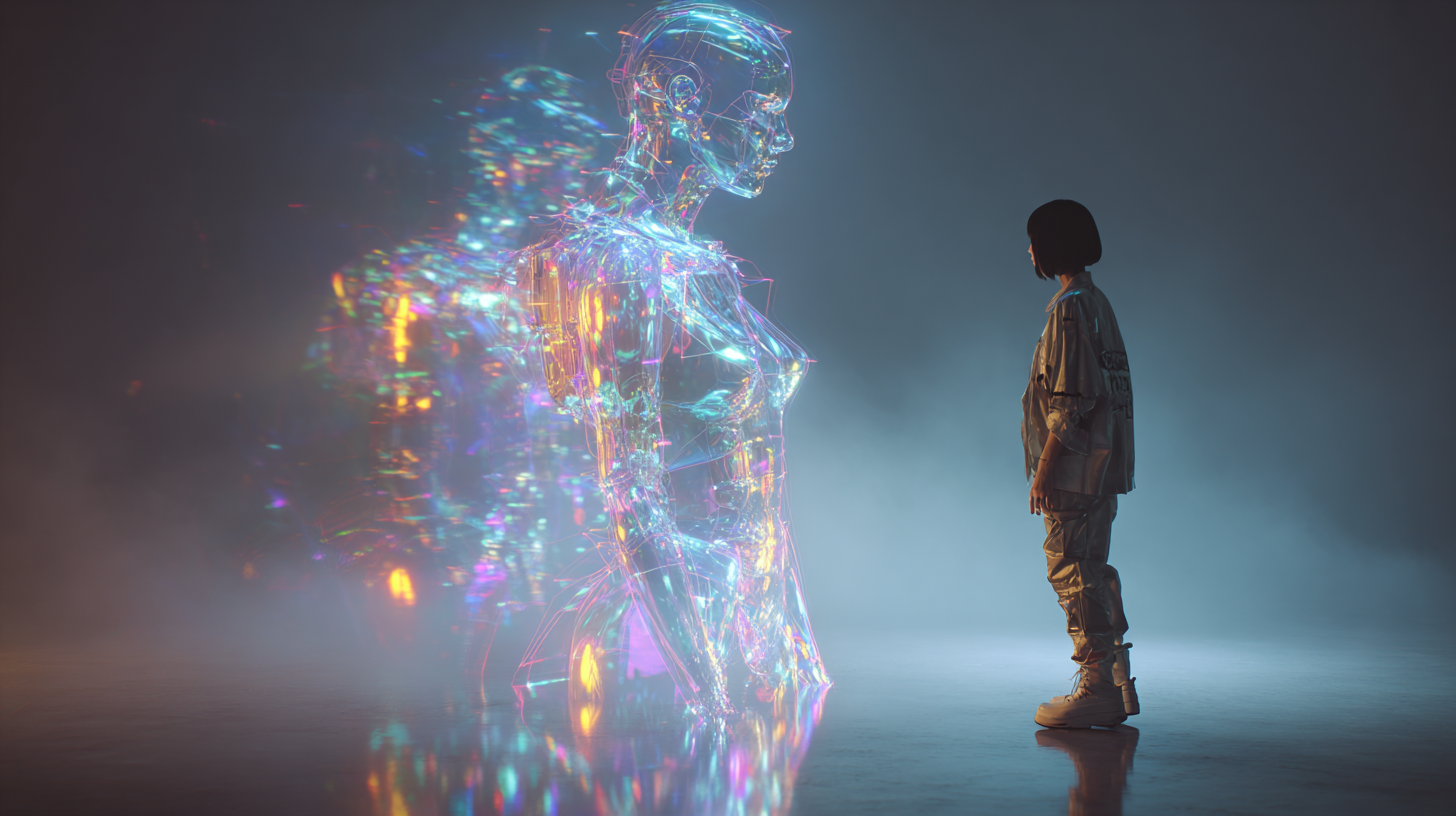
AI visuals can evoke awe — or skepticism. Especially if used in:
- Testimonials or endorsements (deepfake risk)
- Health/beauty before-and-after visuals
- Financial or legal services advertising
What Can Go Wrong?
- Users discover a “real” image was fake
- Claims implied by visuals (results, benefits) are untrue
- Campaign backlash over perceived dishonesty
Solution: Trust-First Creative Strategy
- When in doubt, show behind-the-scenes of AI use
- Don’t over-promise via visual enhancement
- Favor AI for visual metaphor, mood, diversity — not falsifying product experience
6. Synthetic Humans & Virtual Influencers

The rise of photorealistic AI models (e.g., The Clueless, Lil Miquela) raises new ethical frontiers:
- Should brands disclose when a model isn't real?
- Are synthetic personas held to human standards (e.g., inclusive casting, fair pay)?
Responsible Use
- Label all virtual influencers as synthetic
- Avoid personas that mimic real people too closely
- Monitor audience reactions closely — especially among younger users
7. The Role of Watermarking & Traceability
What’s Happening
- Google’s SynthID watermarks AI images invisibly
- Adobe’s Content Credentials embed creator/source metadata
- Startups are building AI detection + audit trails for enterprise compliance
Strategic Implication for Brands
- Use platforms that embed traceability into outputs
- Stay ahead of AI disclosure laws to avoid legal risk
- Build internal logs of AI usage for accountability
8. Building an Internal AI Ethics Policy

What to Include
- Disclosure standards for different content types
- Tool usage guidelines: which AI platforms are authorized
- Visual review process: mandatory human checks
- Crisis protocols: how to respond to misused or misinterpreted content
Rollout Strategy
- Collaborate across creative, legal, marketing, and DEI
- Train teams on ethical prompting, QA, and disclosure
- Review annually as tech + regulation evolves
9. Balancing Automation & Human Creativity
Ethical AI use is not about avoiding automation — it’s about preserving intention and meaning. The best visual content combines:
- AI scale and variation
- Human storytelling, taste, and judgment
Operational Tips
- Use AI to generate options, but have humans select and refine
- Pair AI-generated content with human-created narrative
- Develop a brand POV on what AI should and shouldn’t do
10. Preparing for What’s Next
AI imagery is evolving quickly:
- Soon, real-time generation will create visuals per user
- Voice-to-image and emotion-to-video tech is emerging
- Regulations will tighten — enforcement will grow
Future-proof brands will:
- Invest in AI literacy across roles
- Document their creative standards for generative tools
- Lead with transparency, responsibility, and imagination
Conclusion

AI-generated imagery is a powerful tool — but it’s not neutral. The way we use it reflects our values, our ethics, and our respect for the people we’re trying to reach.
As generative tools become more embedded in creative workflows, businesses must lead with intentionality. That means designing for trust, creating with inclusion in mind, and being clear about what’s real, what’s enhanced, and what’s simulated.
The future of visual storytelling isn’t just about what we can generate — it’s about what we choose to stand for.
Schedio helps brands implement responsible AI visual strategies — from policy design to content QA and creative ethics.