


Quiet Luxury Branding: Why the Rich Are Choosing Simplicity
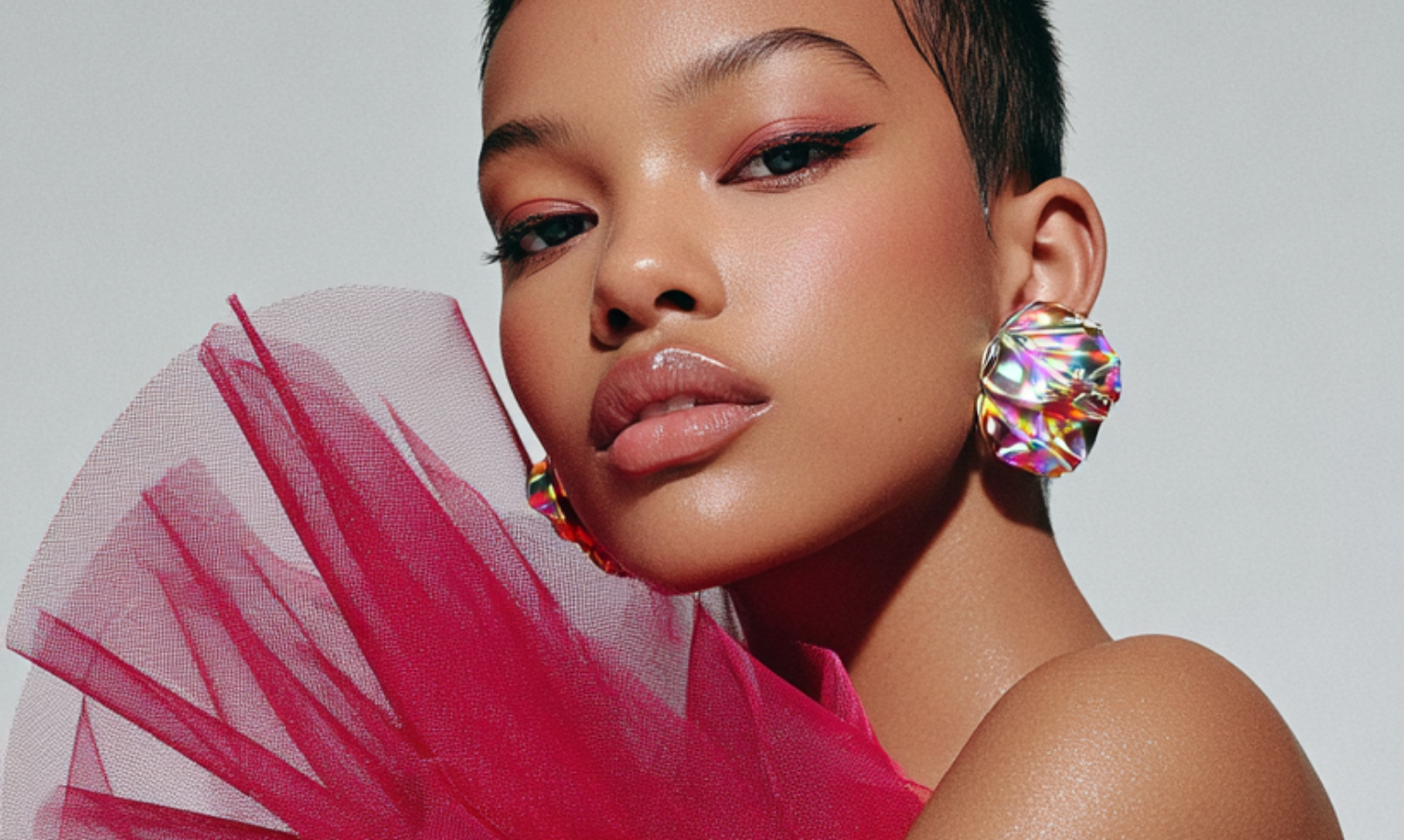
In an age defined by overstimulation, logo fatigue, sensory overload, aggressive trends, and algorithm-driven consumption, a new aesthetic has quietly reshaped the way luxury is perceived. Loud branding is losing its influence, and understated elegance is becoming the new status signal. The wealthy, the discerning, and the culturally attuned are gravitating toward brands that whisper rather than shout.
This shift widely referred to as Quiet Luxury is more than an aesthetic movement. It is a strategic redefinition of value, identity, and cultural signaling. From fashion to skincare, jewelry to architecture, hospitality to wellness, the most powerful brands of the next decade will be those built around refined simplicity and intentional restraint.
For founders, especially in high-growth premium categories, understanding this shift is not optional. It represents a fundamental change in how wealth communicates, how identity is expressed, and how consumers choose brands in a world that prizes authenticity over ostentation.
Quiet luxury isn’t minimalism.
It’s mastery.
The Origin of Quiet Luxury: A Cultural Reset
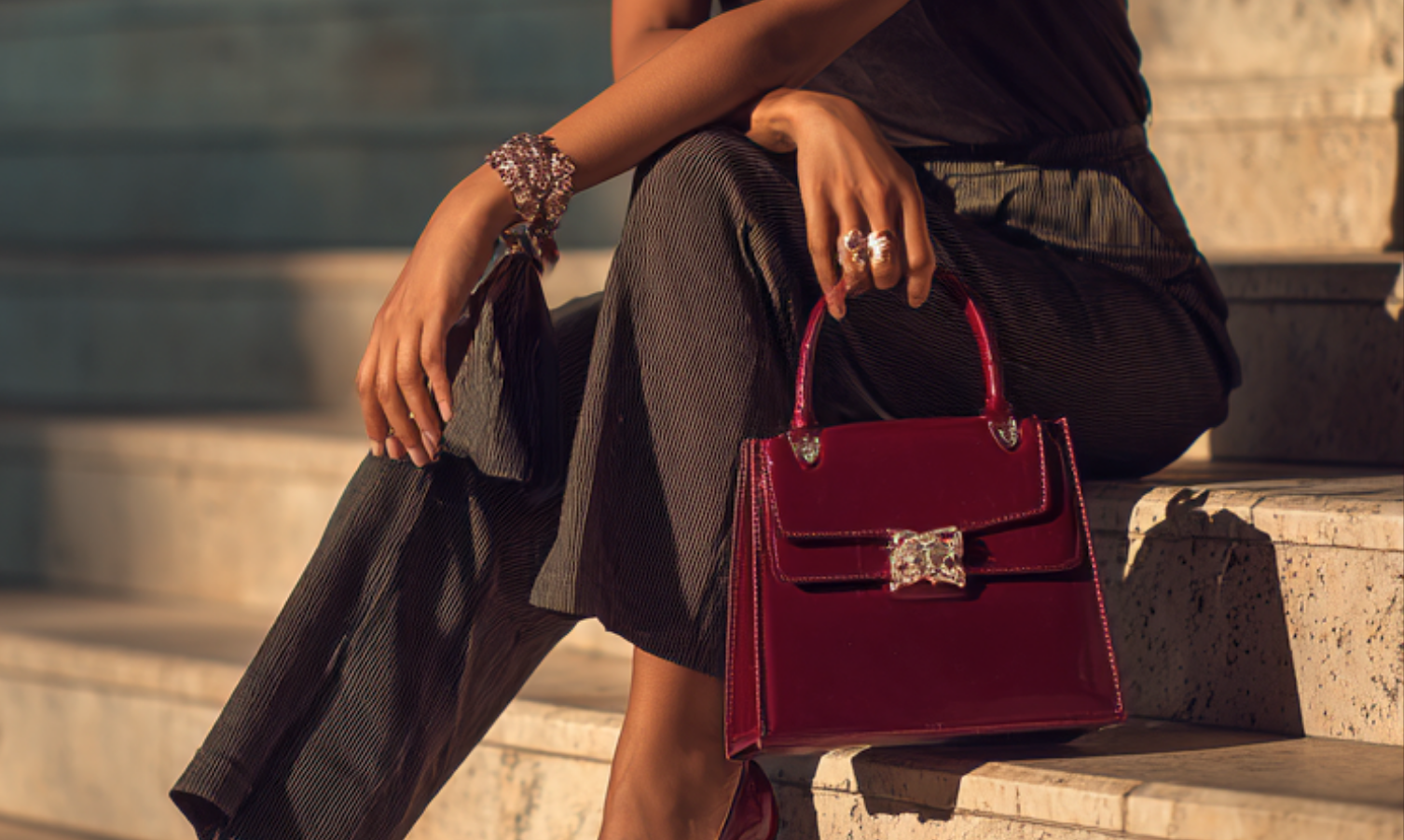
For years, luxury relied on external validation oversized logos, maximalist packaging, and bold brand statements. But cultural cycles always swing. As luxury became democratized, visible wealth became common, not exclusive. Fast fashion adopted luxury aesthetics. Influencers echoed luxury motifs. Social media blurred the difference between aspirational and attainable.
The affluent responded by shifting away from anything that felt too loud, too accessible, or too widely adopted.
Today, luxury looks different because wealth behaves differently.
Several cultural forces accelerated this shift:
1. The Rise of Stealth Wealth
Popularized by shows like Succession, wealthy consumers increasingly reject anything that signals status externally. They prefer brands that only other insiders recognize — a quiet code of belonging.
2. Wellness, Mindfulness, and Minimal Cognitive Load
The wealthy are overwhelmed — by screens, travel, information, and responsibilities. Simplicity is no longer aesthetic; it is relief.
3. A Desire for Artistry Over Branding
Craftsmanship, materials, and form have regained importance. The product is the brand.
4. The Need for Timelessness in a Trend-Driven World
Trends change monthly. Quiet luxury rejects trend cycles in favor of multi-decade identity.
5. The Overexposure of Logos
High-street imitations diluted the power of visible luxury, pushing affluent consumers toward invisible luxury.
Quiet luxury is the natural evolution a choice rooted in confidence, not in display.
What Quiet Luxury Really Means in Brand Identity
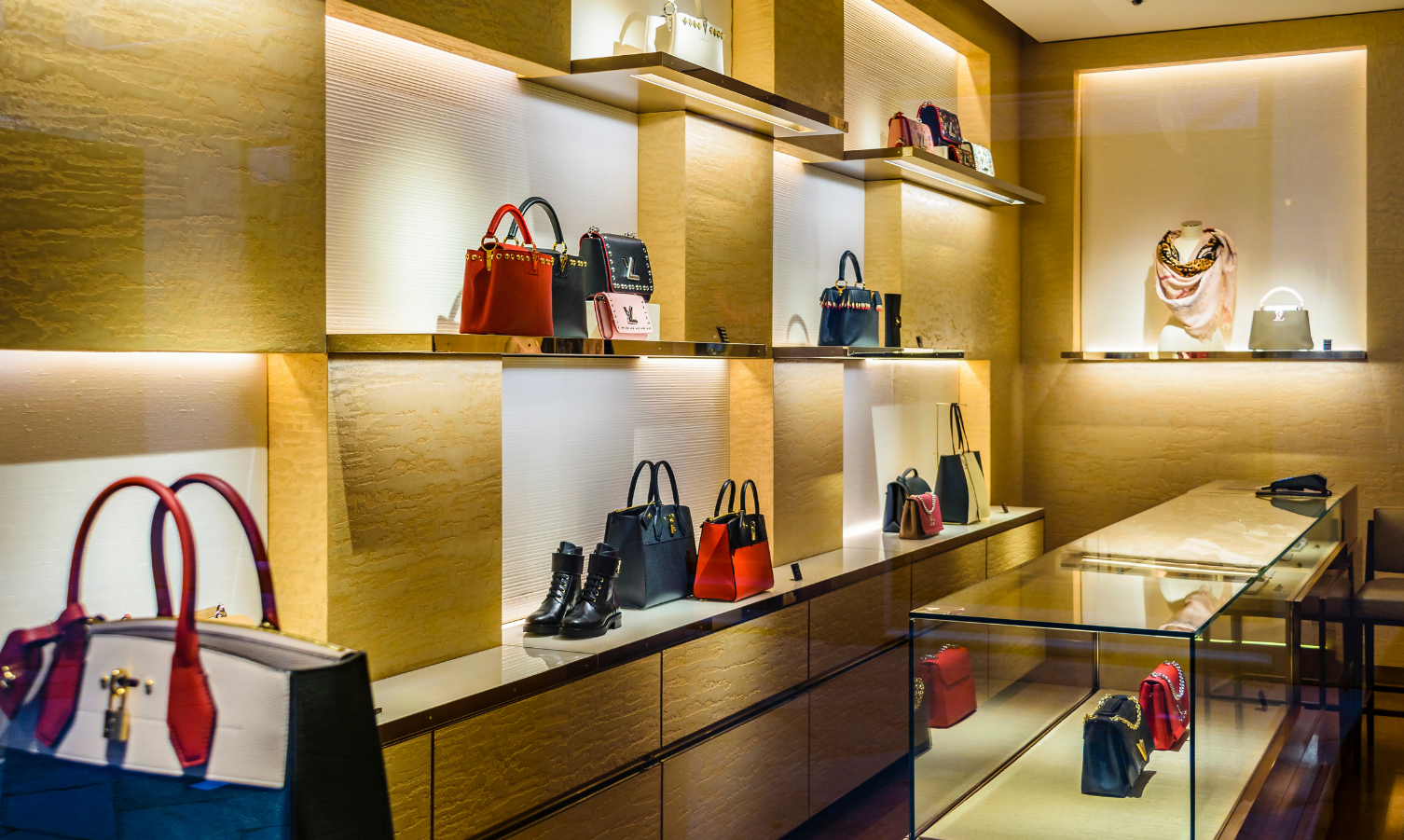
Quiet luxury isn’t about beige tones and minimalist typography.
It is a strategic design system defined by confidence in restraint.
A quiet luxury brand identity has:
1. Subtle, Intentional Visual Codes
These brands rely on microscopic details: spacing, kerning, proportions, textures, shadow gradients, and tactile finishes. What appears “simple” is actually rigorously engineered.
2. Understated Typography
Fonts selected not for drama, but for depth.
Sophisticated sans-serifs, heritage-inspired serif families, and purposeful contrast.
3. Controlled Color Stories
Quiet luxury uses muted, deep, earthy, or monochromatic palettes, but also tone-on-tone systems that communicate permanence.
4. Craft-Led Materiality
For physical products, the richness comes from materials, not graphics — glass, soft-touch finishes, textured cartons, uncoated paper, thick weight stocks.
5. Visual Negative Space as Power
Space stands in for confidence. A brand that is not afraid to leave areas empty signals trust in its own substance.
6. Sensory Coherence
Everything looks, feels, sounds, and interacts in a slow, elegant rhythm.
Luxury is felt before it is understood.
This is why quiet luxury brands feel premium even without saying anything loudly.
Why the Rich Are Choosing Simplicity: A Psychological Perspective
Understanding the psychology behind quiet luxury is essential for any founder building a high-end brand. Affluent consumers no longer buy luxury for social validation — they buy it for self-alignment.
Here’s why simplicity wins emotionally:
1. Simplicity Signals High Cultural Capital
True connoisseurs recognize craftsmanship without needing logos.
Scarcity becomes intellectual, not visual.
2. Simplicity Reduces Identity Noise
The wealthy are moving away from identity clutter — fewer items, fewer distractions, fewer brand marks.
3. Quiet Luxury Feels More Exclusive
When branding is subtle, only insiders understand the value. That exclusivity is irresistible to affluent consumers.
4. Simple Brands Feel More Trustworthy
Loud brands chase attention.
Quiet brands command attention.
5. It Aligns With the Rise of Slow Living
Silence, slowness, depth these are becoming markers of richness.
Quiet luxury is not just a design direction, it’s a mindset.
Digital Quiet Luxury: A New Era of Online Sophistication
Traditionally, quiet luxury was a physical-world aesthetic.
But today’s wealthy live online and they expect the same refinement digitally.
A digital quiet luxury brand includes:
Neutral Color Cascades
Not just beige tone-matched neutrals, deep charcoals, muted olives, off-blacks, soft golds.
Soft Motion, Not Flashy Transitions
Luxury online avoids quick animations, neon colors, high contrast, and hyperactivity. It favors cinematic fades, elegant scroll behaviors, and tactile UI elements.
Elegant Shadows and Micro-interactions
A quiet card hover, a subtle glow, refined easing curves — these shape user perception of quality.
Premium Image Language
Photographs designed with controlled lighting, negative space, and organic textures.
Minimal Copy With High Intent
Quiet brands don’t speak much, but every line speaks with precision.
Depth Over Ornamentation
Layering, transparency, and micro-textures elevate even the simplest interface.
This is where many brands fail they confuse minimalism with emptiness.
Quiet luxury is fullness in restraint.
Why Quiet Luxury Works So Well for Premium Brand Strategy
Quiet luxury has become a powerful business strategy because it creates long-term brand equity that transcends trends. It supports strong margin positioning, elevates perceived value, and attracts higher-intent audiences.
Depth Over Ornamentation
Algorithms also favor brands with strong visual coherence. Visual search engines perform better when the brand has a clear visual signature. TikTok’s For You Page favors distinctive aesthetic patterns. Pinterest ranks consistent visual styles higher in search clusters.
1. It Ages Better
Minimal, timeless identities avoid the refresh cycles needed by trendy brands.
2. It Commands Premium Pricing
Customers expect to pay more because the brand communicates rarity and quality.
3. It Creates Stronger Brand Recall
Not through logos, but through distinct mood, structure, and sensory consistency.
4. It Works Across Categories
Skincare, fashion, jewelry, wellness, real estate, interior design, hospitality — quiet luxury fits them all.
5. It Reduces Visual Noise in Crowded Markets
Simplicity is differentiation when everyone else is loud.
6. It Scales Effortlessly With AI
AI-generated visuals often become chaotic; quiet systems maintain coherence and elegance.
7. It Creates a Loyal, High-Quality Customer Base
Quiet luxury audiences value quality, longevity, and depth over trends — perfect for sustainable business growth.
Quiet luxury isn’t just beautiful.
It’s profitable.
The Schedio POV: What Makes Quiet Luxury Effective Today
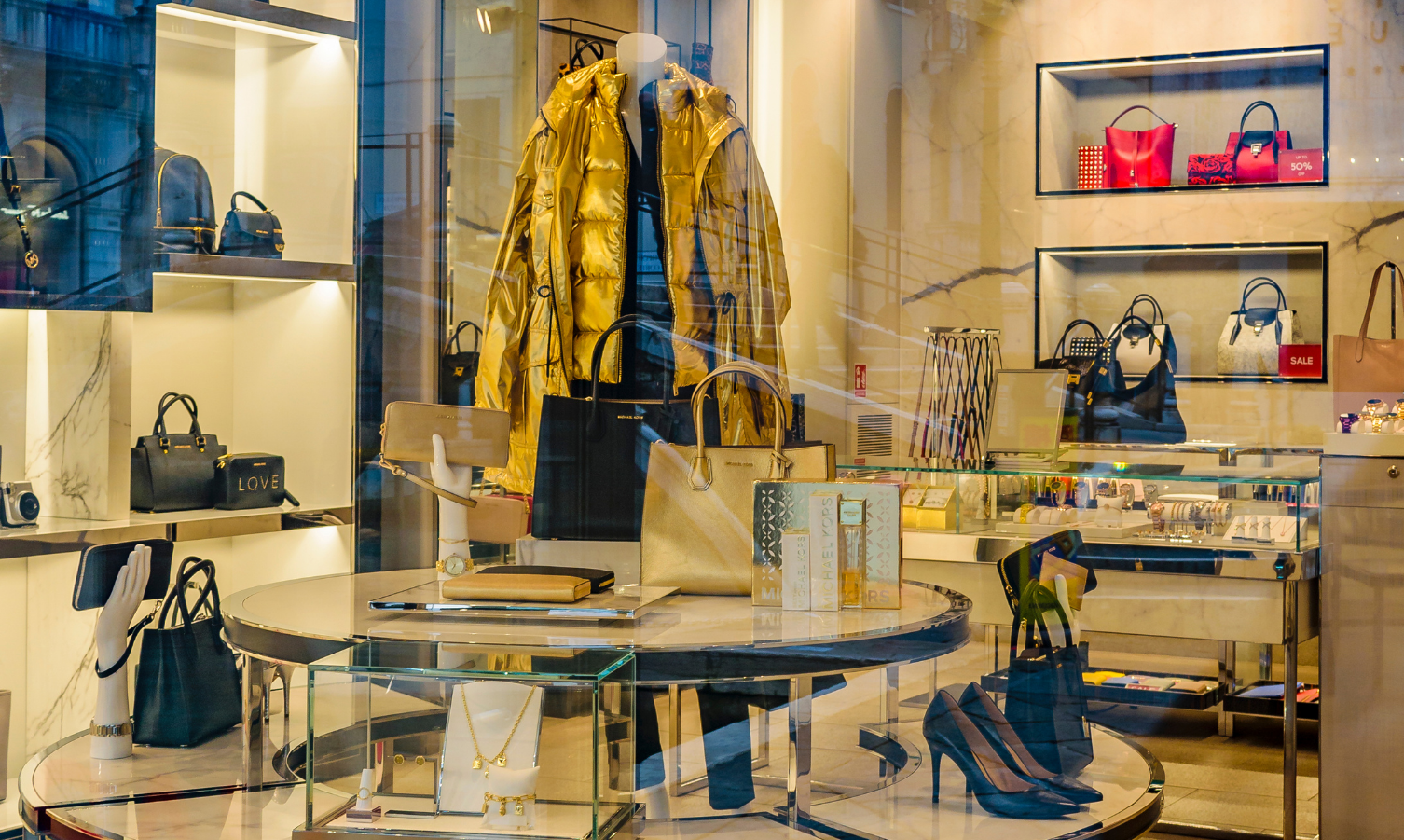
Many brands misunderstand quiet luxury as “muted colors” or “clean design.” At The Schedio, we see it differently. Quiet luxury succeeds when a brand anchors itself in:
- Narrative Minimalism — fewer messages, stronger signals
- Precision in Detail — every element is intentional
- Material Authenticity — quality is visible without exaggeration
- Highly Restrained Creative Systems — fewer elements repeated with discipline
- Sensory Storytelling — texture, light, and atmosphere define the brand
- Founder Vision Alignment — luxury audiences can feel misalignment instantly
Quiet luxury is not the absence of design.
It is the presence of discipline.
How Brands Can Adopt Quiet Luxury (Without Losing Their Identity)
Not every brand needs to be quiet, but those entering premium territory should integrate quiet luxury principles strategically.
Here’s how:
1. Strip Down to What’s Essential
Remove features that are decorative, not functional.
2. Choose Typography With Character — Not Flash
The best quiet luxury fonts have personality, not trends.
3. Build a Controlled Color Ecosystem
Rich neutrals, tonal gradients, elegant contrasts.
4. Focus on Material and Texture
Let the feel of the product (or digital interface) create luxury.
5. Slow Down the Brand’s Visual Rhythm
Luxury feels slow.
It breathes.
It pauses.
6. Make the Brand About Craft, Not Performance
Craft communicates value better than claims.
7. Elevate the Website Experience
Quiet luxury websites should feel cinematic, calm, and intentional.
8. Use Storytelling to Create Emotional Depth
Luxury is emotional, not transactional.
The biggest mistake brands make?
Confusing quiet luxury with minimalism.
Quiet luxury is far more nuanced.
Why Quiet Luxury Will Dominate 2026 and Beyond
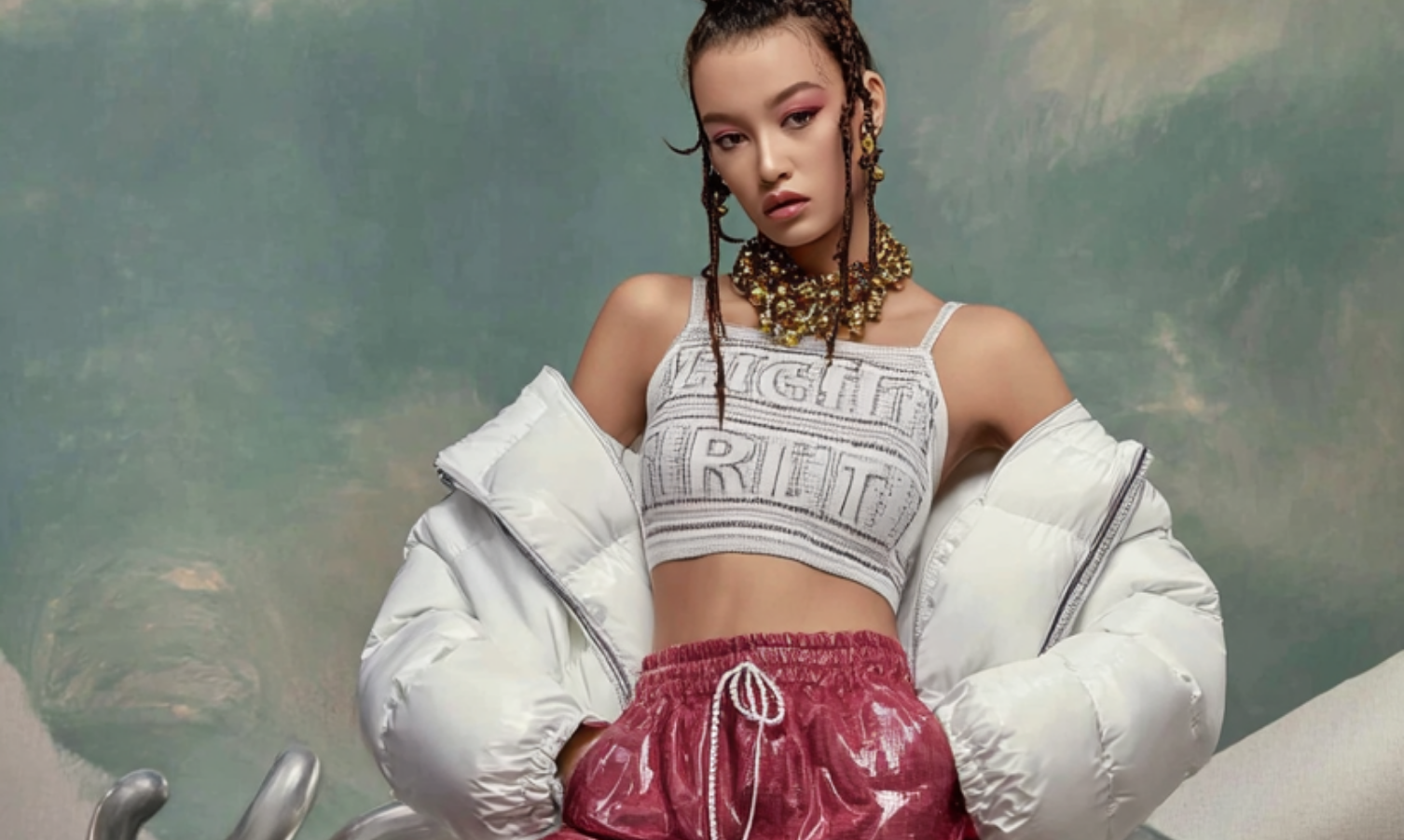
Quiet luxury aligns with global shifts:
- Toward sustainability
- Toward mental calm
- Toward design maturity
- Toward refined digital experiences
- Toward conscious consumption
- Toward private identity rather than public signaling
As the world becomes louder, the brand that speaks softly is heard more clearly.
This movement has longevity because it corresponds to deeper cultural desires a need for grounding, for quality, for peace, for timelessness. In a world drowning in cheapness and speed, quiet luxury is the antidote.
The brands that embrace this shift early will become the category-defining icons of the next decade.
Conclusion: Simplicity Is the New Status
Quiet luxury is not the absence of expression — it is a more sophisticated kind of expression. It communicates through craft, restraint, and intention. It signals wealth through quality, not noise.
As more affluent consumers shift toward this aesthetic, brands in premium categories will need to evolve their identity systems, product experiences, and digital presence to meet the expectations of a more discerning audience.
Simplicity has become the ultimate flex.
But it is not simple to achieve.
Only brands with clarity, discipline, and depth can pull it off.
Quiet luxury is not a trend.
It is the future of premium brand identity.