



AI Influencer Personas: The Next Evolution of Brand Marketing

Brand influence has never moved faster. Consumers are no longer persuaded by polished ads or flawless product photography. They follow personalities. They trust narratives. They engage with creators who feel real, relatable, and emotionally aligned with their own identity. For the last decade, influencer marketing has driven brand growth, reshaped consumer trust, and built billion-dollar categories across beauty, wellness, fashion, and lifestyle. But as the creator economy expands and as generative AI reshapes content creation a new force is entering the landscape: AI Influencer Personas.
This shift is not cosmetic. It represents a fundamental restructuring of how brands communicate, tell stories, and scale emotional connection. AI influencers are no longer sci-fi concepts or gimmicks used for temporary virality. They have become a viable strategic asset a new layer of brand identity designed to scale infinitely, adapt instantly, and speak with a clarity human creators can’t always maintain.
As attention fragments and content expectations rise, brands need ambassadors who can exist across platforms, maintain aesthetic consistency, and embody the brand’s voice with precision. AI influencers solve a problem that most founders don’t articulate but deeply feel: human influencers are powerful but unpredictable, and their brand alignment is never guaranteed. AI personas, when designed intentionally, give brands full creative control while still delivering emotional presence.
The Schedio has seen this shift firsthand across categories especially in beauty, wellness, luxury, personal care, and lifestyle brands where storytelling, aspiration, and personality shape consumer trust. AI influencers are becoming an essential component of modern identity systems, not a novelty.
Why AI Personas Are Becoming a Strategic Branding Tool

Over the last few years, influencer culture has evolved from aspirational aesthetics to deeply personal storylines. But this evolution created a tension: human creators are shaped by personal lives, shifting interests, trends, and unpredictable audience expectations. Their alignment with the brand is never permanent. AI influencers solve that gap by offering continuity, consistency, and complete narrative control.
The appeal is simple. An AI persona never goes off-brand, never takes a controversial stance, never posts inconsistently, never ages out of relevance, and never demands the financial complexity of human partnerships. It can be shaped with precision its look, voice, aesthetic, storyline, personality traits, values, and emotional tone can all be engineered to match the brand’s long-term vision.
But what makes AI personas exponentially more valuable is their scalability. A human influencer cannot film 20 videos a week without burnout. An AI influencer can do that in a few hours. Human creators struggle with brand-specific visual rules, lighting styles, and narrative voice; AI personas naturally adopt the brand’s visual DNA when designed with intention. They become the face of the brand’s world not an outsider endorsing it, but an internal character embodying it.
This is why the shift is happening quietly but rapidly. AI personas are not replacing human creators; they are filling a new space where branded storytelling demands precision and repetition.
The Psychology Behind AI Personas and Consumer Trust
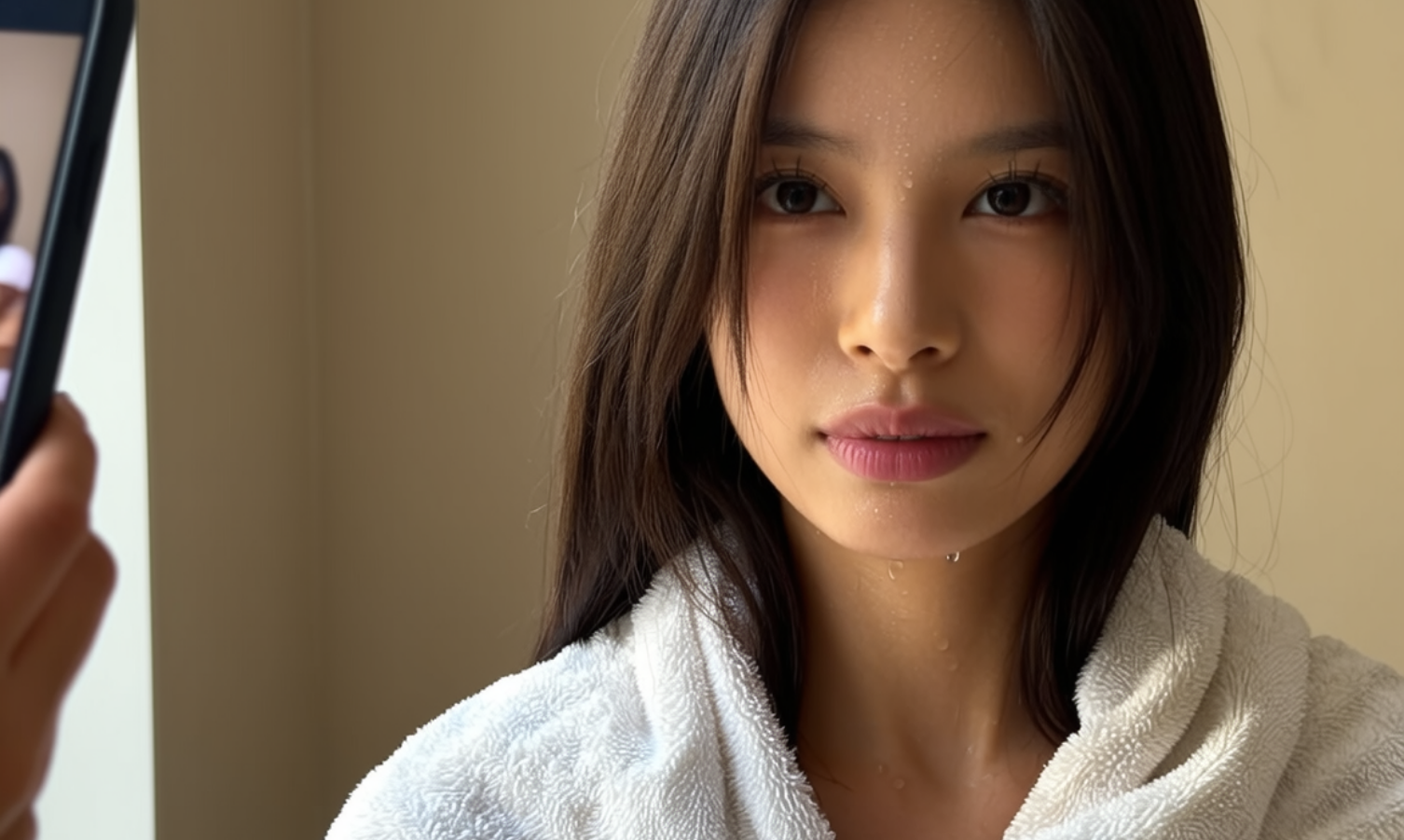
While many assume that audiences prefer “real people,” data suggests a different story. Consumers care far more about emotional resonance than biological authenticity. If a persona feels relatable, aspirational, or comforting if it mirrors their tastes, culture, or lifestyle people engage. Fictional characters have always held influence, from animated icons to cinematic superheroes. AI influencers simply extend that idea into real-time marketing environments.
What makes AI personas compelling is their ability to embody archetypes with clarity. A skincare brand might craft a persona who represents gentle expertise calm, elegant, knowledgeable, never salesy. A tech brand may build a persona with humor, speed, and sharp intelligence. A luxury brand can create someone with quiet sophistication, visual restraint, and timeless presence.
Consumers don’t question artificiality; they question inconsistency. AI personas succeed because they maintain emotional and aesthetic coherence across every platform.
The Role of AI Personas Inside Modern Identity Systems
This is where the shift becomes transformative. AI influencer personas are not just “faces for social media.” They become living extensions of the brand identity interpreting design language, narrative frameworks, color psychology, and visual DNA into emotionally compelling content.
Their power lies in amplification:
- They make the brand’s aesthetic feel alive.
- They translate abstract identity systems into human-like behavior.
- They help founders communicate value and personality with clarity.
- They reinforce consistency across content ecosystems.
- They shape online presence with speed and continuity.
Brands that incorporate AI personas into their identity systems create a level of cohesiveness that is extremely difficult to maintain with human creators alone.
This is especially true for luxury and premium brands. Quiet luxury, soft storytelling, sensory aesthetics, wellness-driven narratives, and minimalistic visual systems all require controlled expression. That level of control is nearly impossible with external influencers, but deeply achievable with an AI persona.
The Rise of AI Persona Communities
One of the most interesting emerging shifts is the creation of multi-persona ecosystems. Instead of a single influencer, brands are designing a small world of characters — each representing a segment of their audience.
A skincare brand might have:
- A minimal, premium AI persona for quiet luxury audiences
- A youthful, energetic persona for Gen Z
- A science-forward persona for educational content
- A lifestyle persona for aesthetic reels
Each persona speaks to a different part of the funnel while reinforcing the same identity.
This is identity storytelling at scale something human creators cannot maintain at this complexity.
Why AI Personas Are More Than a Trend

AI personas are not a temporary movement driven by technology hype. The shift is anchored in deeper business needs:
- The need for infinite content without losing quality
- The need for consistent aesthetics across platforms
- The need for faster storytelling without depending entirely on external creators
- The need for brand-led personalities instead of borrowed voices
- The need to reduce production complexity and cost
- The need to maintain identity in a world where algorithms remix content
In this ecosystem, AI influencers become one of the few scalable, strategic solutions that combine emotional engagement with system-level brand control.
The Schedio POV: The Strategic Foundation Behind Effective AI Personas
At The Schedio, we view AI influencer personas not as digital avatars, but as extensions of the brand’s identity system. A persona’s design begins with strategy — understanding the brand’s emotional architecture, personality traits, target audience psychology, cultural codes, tone of voice, sensory language, and narrative direction.
From there, we craft the persona’s aesthetic universe. Lighting styles, camera logic, facial structure consistency, wardrobe rules, posture tendencies, and even micro-expressions all become part of the persona’s DNA. The goal is not to create something “perfect,” but something living, intentional, and coherent, capable of evolving with the brand while still remaining anchored to its essence.
Because of this approach, AI personas built with a strategic foundation outperform generic AI avatars that lack emotional grounding. They feel real not because they mimic humans, but because they mirror the brand’s inner world.
How AI Personas Transform Content Ecosystems
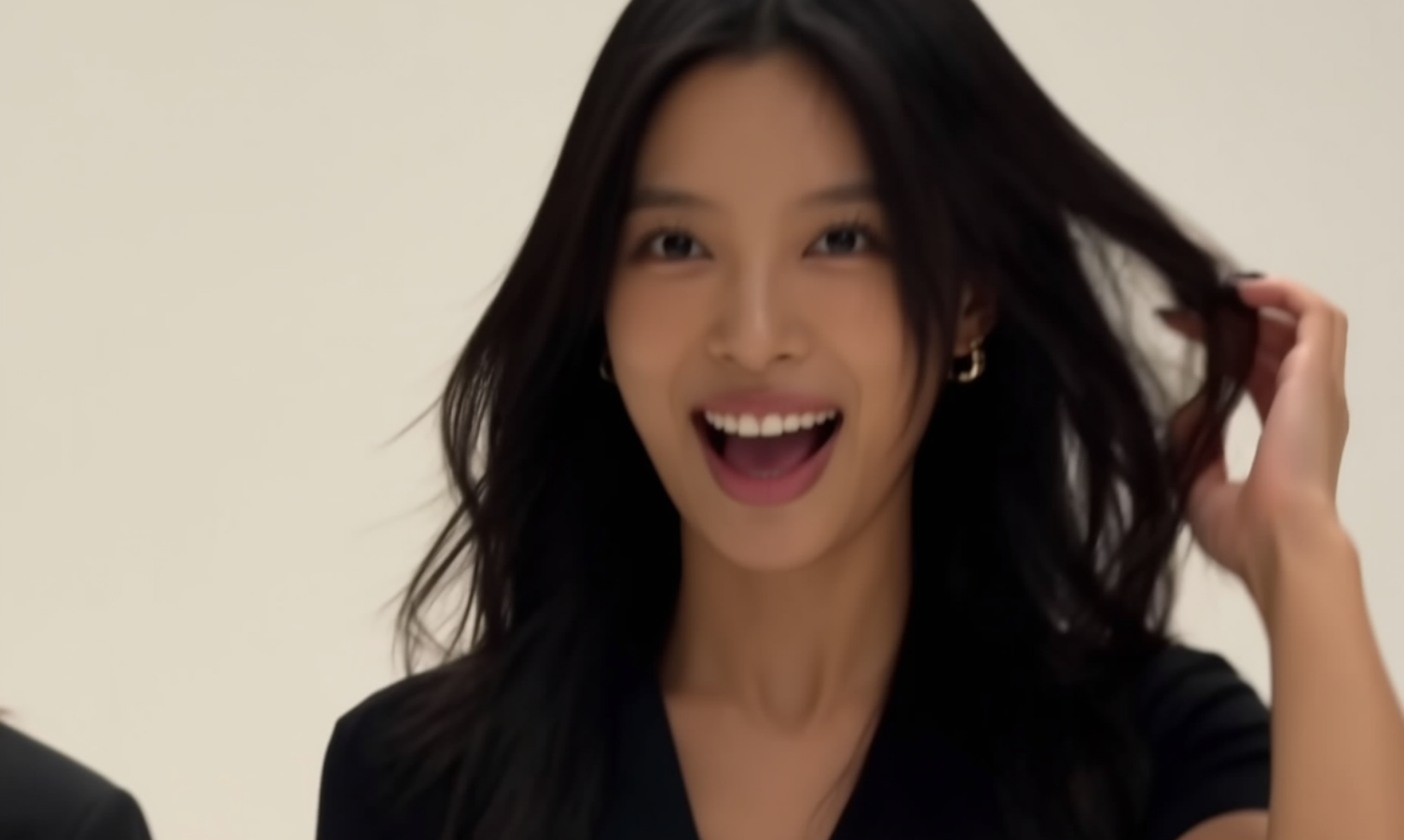
Once integrated into a brand’s system, AI personas enhance every layer of marketing:
- They deliver consistent product photography when paired with AI-generated scenes.
- They narrate founder stories with emotional clarity.
- They appear in seasonal campaigns, tutorials, and educational content.
- They help position luxury brands without aesthetic drift.
- They maintain visual coherence across AI, UGC, and design-led content.
- They act as ambassadors for the brand’s values, not temporary spokespeople.
As algorithms evolve to favor personality-led content (TikTok, Instagram Reels, YouTube Shorts, Pinterest Idea Pins), AI personas become the perfect bridge between identity and storytelling.
Where AI Influencers Are Going Next
What we see today is only the first chapter. Over the next few years, AI influencer personas will become interactive responding to comments, guiding customers, assisting with product education, and even hosting livestreams. They will integrate with brand chatbots, AR experiences, and virtual stores. They will hold emotional presence in a way static branding never could.
Brands that adopt AI personas early will build enormous long-term advantage because the personas will evolve into recognizable, beloved icons. The longer a persona exists, the stronger its cultural equity becomes.
The brands that succeed will be the ones who design personas not as digital models, but as narrative vessels characters who carry emotion, nuance, and meaning.
Conclusion: Influence Is Entering Its Next Chapter
The future of brand influence is not human or artificial it is hybrid, deeply strategic, and emotionally intelligent. AI influencer personas allow brands to scale storytelling with unprecedented speed while maintaining aesthetic integrity and emotional resonance. They are not replacing creators; they are expanding what brands can express.
For founders building in beauty, wellness, fashion, luxury, and lifestyle, AI personas are no longer experimental. They are becoming an essential component of a brand’s identity system one that brings coherence, personality, and infinite creative possibility.
Influence is evolving.
Identity is evolving with it.
The brands that understand this early will lead the next decade.