


The Rise of Anti-Aesthetic Branding: Why Imperfection Converts Better
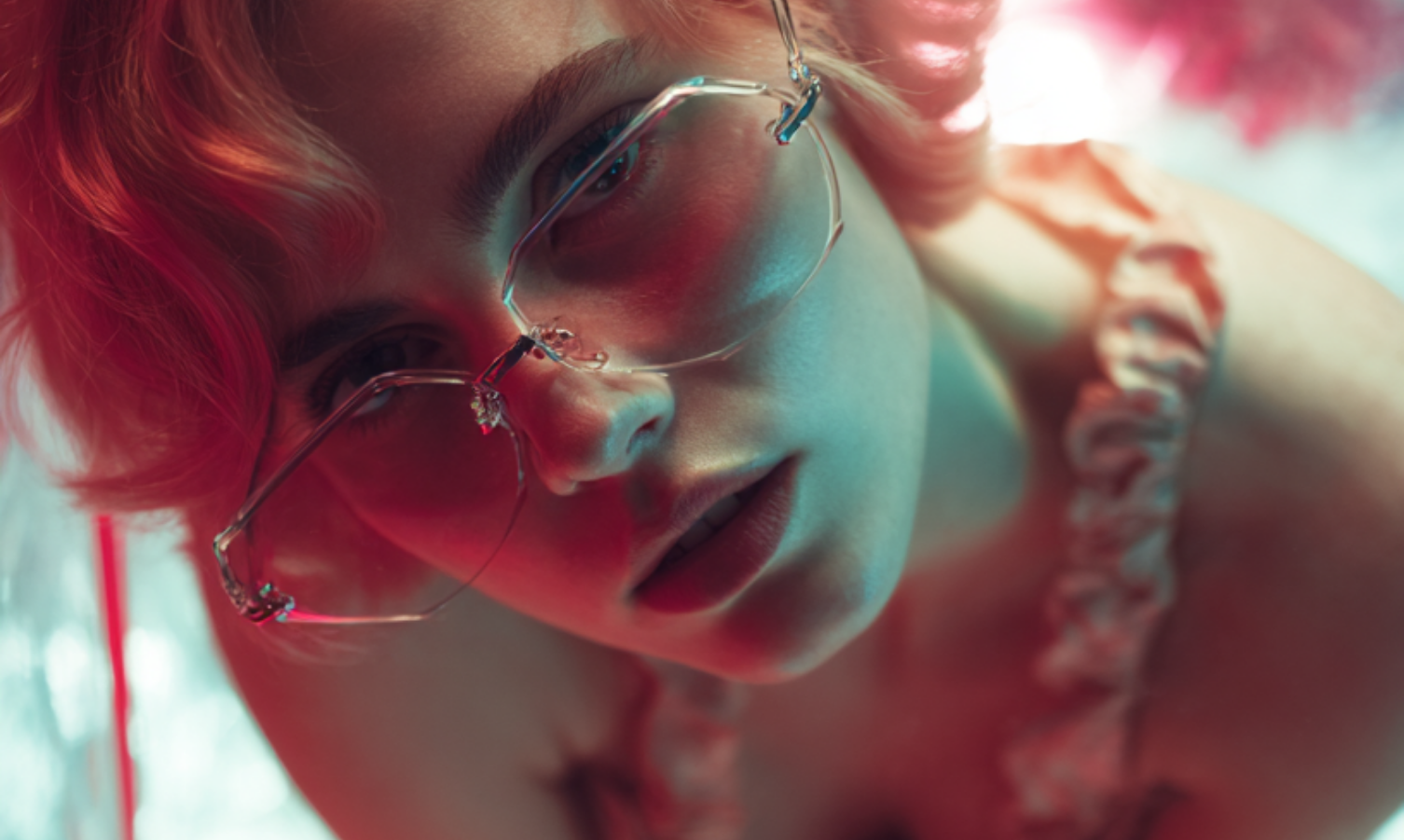
For years, branding followed a predictable formula: clean grids, balanced layouts, polished photography, curated color palettes, and visual perfection designed to inspire aspiration. Brands were meant to look flawless, untouchable, and meticulously crafted. But in 2026, perfection is no longer persuasive and the most effective brands are intentionally breaking the rules.
Anti-aesthetic branding, once seen as chaotic or unrefined, has become one of the most powerful forms of visual communication. It rejects polish in favor of personality, precision in favor of presence, and order in favor of human truth. In an online world saturated with immaculate visuals, anti-aesthetic design feels like relief a breath of authenticity in spaces dominated by algorithm-friendly sameness.
The shift is not accidental. It’s cultural. Anti-aesthetic branding responds to a generation exhausted by perfection and suspicious of overly curated narratives. Consumers now gravitate toward brands that feel honest, raw, and unfiltered brands that show personality through their rough edges, not their symmetry.
This movement is challenging long-held design beliefs and giving rise to a new kind of brand expression: one where imperfection isn’t a flaw, but a strategy.
A Reaction to the Over-Curated Internet
After a decade of Instagram filters, hyper-edited product shots, and identikit D2C aesthetics, audiences began to feel disconnected. The perfectly polished lifestyle no longer felt aspirational — it felt artificial. Anti-aesthetic branding emerged as a counterpoint, mimicking the visual language of real life: messy, spontaneous, inconsistent, and expressive.
Consumers were tired of being shown “the perfect version” of everything. They wanted something that looked like someone actually made it, not something a corporate board approved. Anti-aesthetic brands lean into this desire for realness by swapping sleek layouts for shaky lines, color grading for flat tones, and rigid typography for free-form expression.
This shift mirrors a broader cultural movement: the craving for honesty, vulnerability, and emotional truth. People aren’t rejecting design they’re rejecting the idea that design must hide imperfections.
When Imperfection Feels More Human
The reason anti-aesthetic branding converts so well is simple: it feels human. Imperfection signals authenticity, and authenticity signals trust. Consumers today do not engage with brands because they look flawless; they engage because they feel understood.
Anti-aesthetic branding embraces:
- texture instead of polish
- emotion instead of neutrality
- expression instead of uniformity
- story instead of symmetry
A crooked headline, a rough brushstroke, a slightly off-center image these choices communicate personality and confidence. They tell the viewer that the brand is not trying to impress; it is trying to connect. And in the digital age, connection outperforms perfection every time.
The deeper psychological truth is that humans associate imperfections with sincerity. A brand that allows itself to be imperfect feels more relatable than a brand that tries too hard to be immaculate.
Anti-Aesthetic Branding Doesn’t Mean “Bad Design”
At its core, anti-aesthetic branding is still design, but it’s design with a different intent. It is deliberate chaos, curated rawness, controlled imperfection. It is the result of strategic decisions made to communicate honesty and individuality in a sea of over-polished brands.
Designers who do anti-aesthetic well understand composition, balance, hierarchy, contrast, and narrative just as much as those who create minimalist or luxury identities. The difference is that anti-aesthetic branding intentionally disrupts those rules to create tension, realism, and emotional weight.
The work may look spontaneous, but the thinking behind it is anything but.
Strong anti-aesthetic branding still requires:
- clarity of message
- coherence of personality
- a recognizable visual language
- a point of view
Without strategy, anti-aesthetic design becomes noise. With strategy, it becomes one of the most effective communication tools a brand can use today.
Why Anti-Aesthetic Works Especially Well for Social-First Brands
Social media has become the world’s most competitive attention space. Highly polished visuals blend together quickly because algorithms reward trends — and trends generate uniformity. When everything looks perfect, imperfection becomes the most disruptive visual.
Anti-aesthetic content stands out because it feels alive. It feels like someone made it moments ago. It has urgency, immediacy, and rawness. It breaks the scroll because the human eye is attracted to what looks real, not what looks manufactured.
For social-first brands particularly in fashion, beauty, lifestyle, food, wellness, and creator-led products anti-aesthetic branding becomes an engine for differentiation. It communicates relevance and personality instantly. It creates emotional contrast. And it gives the brand a visual point of view that is unmistakable in a crowded feed.
The New Aesthetic of Rebellion
Anti-aesthetic branding carries the spirit of rebellion — a refusal to conform to traditional rules of beauty and order. It resonates with younger audiences because it mirrors the way they communicate: fast, raw, unfiltered, expressive. It feels closer to the visual language of memes, creators, and subcultures than the language of corporations.
The brands adopting this direction aren’t chaotic; they’re intentional. They’re signaling independence. They’re rejecting the idea that polish equals professionalism. They’re choosing emotion over convention and this choice is magnetic.
In a world driven by authenticity, rebellion becomes a form of attraction.
The Future of Anti-Aesthetic Branding
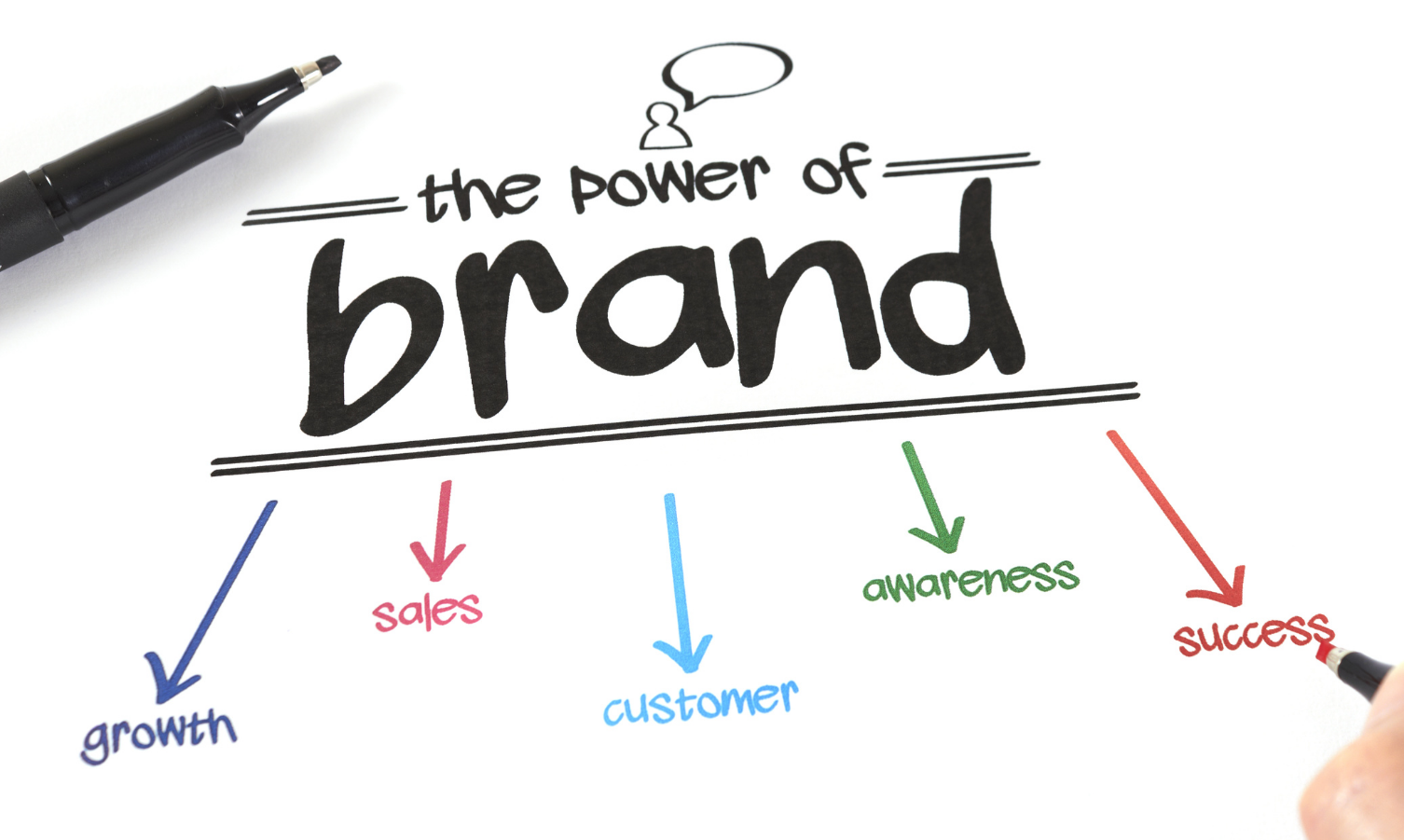
Anti-aesthetic branding isn’t replacing traditional design systems it’s expanding the spectrum. Luxury brands still rely on elegance. Tech brands still rely on clarity. Wellness brands still rely on calm. But anti-aesthetic design introduces a new creative tool for brands that want to break norms, disrupt expectations, and communicate more personally.
As AI-generated content becomes more polished and technically perfect, the imperfect aesthetic will only grow more powerful. Human-looking visuals will become the new premium. Messiness will feel refreshing. Rawness will feel intimate. Imperfection will feel alive.
The future of branding is not about choosing between “aesthetic” or “anti-aesthetic.” It’s about choosing the direction that best expresses the brand’s worldview and embracing it with discipline.
Anti-aesthetic design isn’t the opposite of beauty.
It’s the evolution of it.