


Authentic > Aesthetic: The New Visual Trend Taking Over D2C Brands

A decade ago, D2C brands won the internet with aesthetic perfection. Clean product shots, pastel palettes, symmetrical compositions, soft shadows, and “Instagrammable minimalism” defined an entire wave of digital-first companies. Perfection was the strategy. Aesthetic coherence was the differentiator.
But in 2026, that playbook no longer works. Consumers have become visually immune to polished, designed-for-Instagram branding. They’ve seen the same gradients, the same airy layouts, the same muted tones, and the same curated product photos repeated across thousands of brands. The aesthetic that once felt premium now feels manufactured. What once felt elevated now feels generic.
A new trend has taken over one that favors honesty over harmony, presence over polish, and emotional realism over curated perfection. The strongest D2C brands today are shifting from “beautiful visuals” to authentic visuals. Raw, relatable, spontaneous, imperfect, human. The content that converts isn’t the prettiest it’s the truest.
Consumers don’t want brands that look perfect.
They want brands that feel real.
Why Aesthetic No Longer Works as a Differentiator

Aesthetic branding became predictable because it was endlessly replicable. Once the formula became widespread, the advantage disappeared. Every wellness brand looked identical. Every skincare brand used the same lighting. Every lifestyle brand adopted the same soft minimalism. The internet became a catalog of visual clones.
As algorithms evolved and content volume exploded, the viewer’s eye learned to scroll past aesthetic perfection. It blended into the background. It lost meaning. The more polished the content, the quicker it disappeared into the feed.
Authenticity, on the other hand, disrupts the scroll. Real-looking moments offbeat angles, unfiltered faces, messy setups, “behind the scenes” frames stand out precisely because they don’t fit the expected visual format. They feel alive. They feel spontaneous. They feel like something made for people, not for algorithms.
In a world full of planned visuals, the unplanned becomes the most compelling.
The Psychology Behind the Shift Toward Authenticity

Consumers trust what feels unedited. They trust imperfections because imperfections signify truth. Aesthetic visuals can inspire admiration, but authentic visuals inspire connection and connection drives conversion.
This shift is rooted in deeper cultural behavior. Younger audiences in particular reject overly curated visuals because they see them as performative. Their online language is built around transparency: real voices, candid videos, unpolished humor, and fast-paced, imperfect storytelling. The brands that match this rhythm feel culturally fluent. The brands that don’t feel outdated.
Authenticity signals:
“We’re not trying to impress you.”
This emotional neutrality builds trust quickly, which is why authentic content consistently outperforms aesthetic content in engagement, saves, shares, and conversion.
How D2C Brands Are Expressing Authenticity Visually
Authenticity doesn’t mean sacrificing identity. The best D2C brands are building strategic authenticity, visuals that feel real but still align with the brand’s tone, audience, and worldview.
This shows up through content such as:
- natural lighting instead of studio setups
- real textures instead of manicured backdrops
- handheld shots instead of perfectly staged angles
- performance moments instead of scripted scenes
- real users instead of models
- imperfect typography instead of geometric precision
- candid reactions instead of rehearsed expressions
- everyday chaos instead of visual serenity
The key is not making content deliberately sloppy — it’s removing the unnecessary polish that creates distance between the brand and the audience.
Brands that master this balance build relatability without losing identity.
Authenticity as a Strategic Design Decision
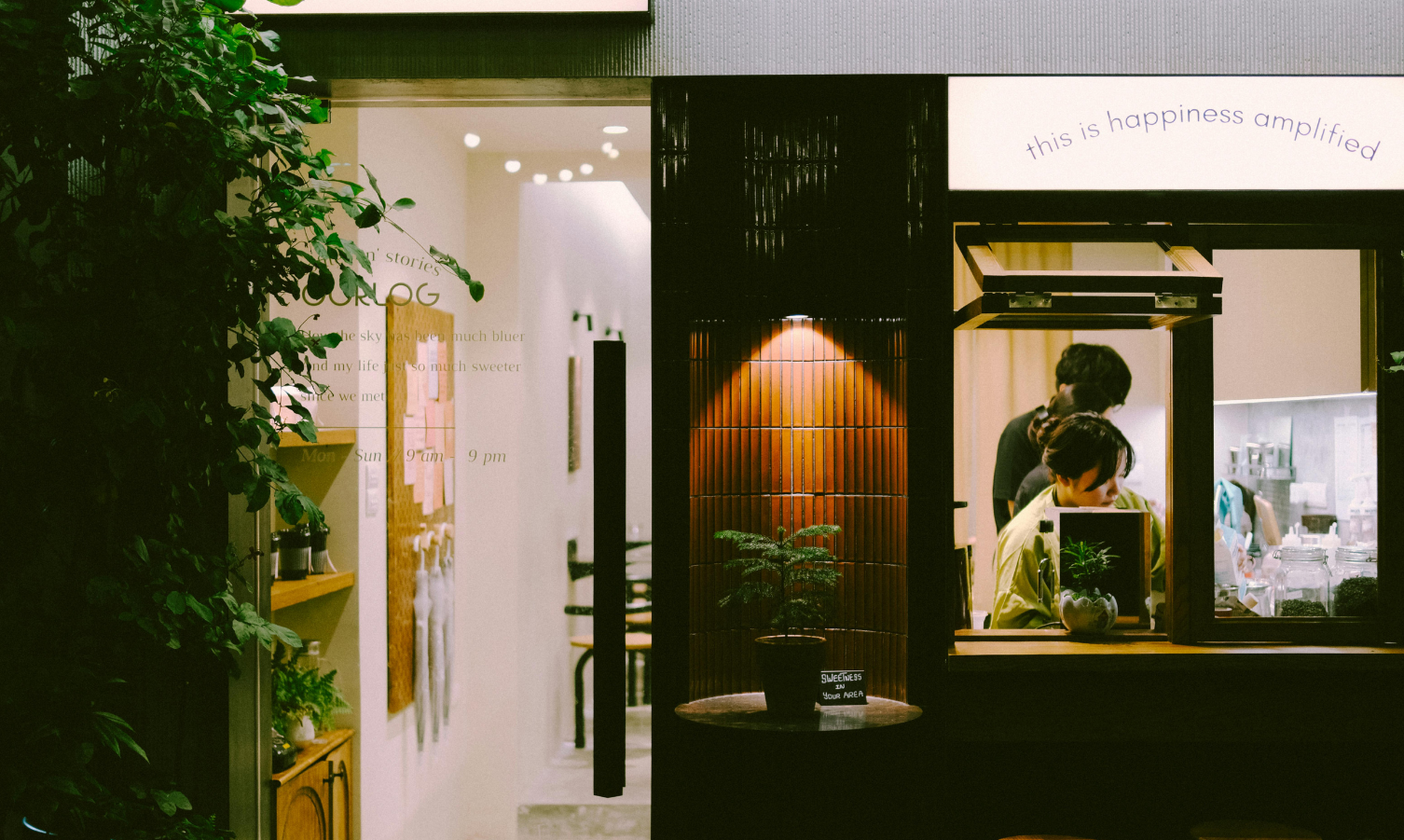
Authentic visuals may look spontaneous, but the strongest brands treat authenticity as a design principle. They build identity systems that intentionally reflect human imperfection. They design assets that feel lived-in rather than over-produced. They develop motion styles that mimic handheld storytelling. They choose color palettes that align with natural lighting and real environments.
The Schedio’s perspective is that authenticity isn’t the absence of design it is the evolution of design. It requires understanding cultural nuance, emotional psychology, and platform-native storytelling. It requires elevating the raw without losing coherence. It requires allowing the brand to breathe without letting it dissolve into chaos.
Authenticity is a strategy, not an accident.
Why Authentic Content Converts Better
The performance data across D2C brands is clear. Authentic visuals outperform aesthetic visuals because they feel:
- Faster — made in the moment, responsive to culture
- Honest — unfiltered, unstaged, unpretentious
- Relatable — grounded in real-life situations
- Emotional — imperfect moments create stronger feeling
- Trustworthy — realness lowers psychological resistance
The viewer sees themselves reflected in authentic visuals. That sense of proximity of similarity and truth is what drives action.
Aesthetic content may impress, but authentic content engages.
Authenticity triggers belief.
The Future of D2C Visual Identity

As AI-generated content becomes more perfect and more accessible, human imperfection becomes a differentiator. Authenticity becomes a luxury. Rawness becomes rarity. Realism becomes a brand asset.
This doesn’t mean aesthetic brands will disappear. It means aesthetic without authenticity will feel empty. Identity systems must now weave both, the recognizability of design with the relatability of human expression.
D2C brands that succeed in the next decade will be those that master this blend. They will lean into imperfect storytelling without abandoning strategic coherence. They will build visuals that feel human in an age of machine-generated perfection. They will prioritize emotional clarity over visual symmetry.
Authenticity is not a trend. It’s a cultural correction.