



The Future of Sensory Branding: Beyond Logos and Color Palettes
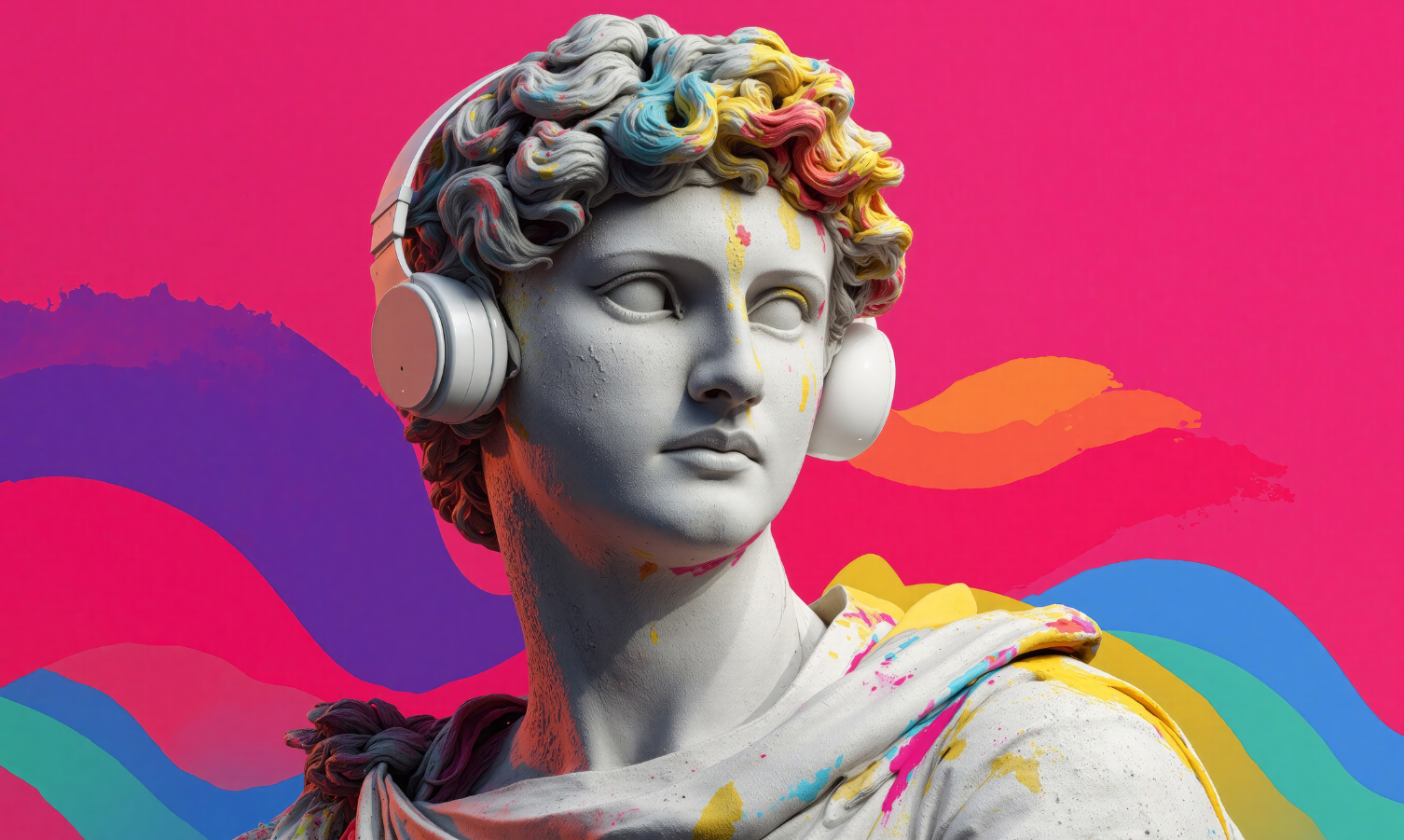
Branding is undergoing the most dramatic shift since the invention of digital design. The era when logos, color palettes, and typography guides could define the essence of a brand has ended. These elements remain important, but they no longer hold the power they once did. In 2026, brand identity lives far beyond the visual layer it has become a multi-sensory system shaped by sound, motion, texture, narrative tone, spatial behavior, personality architecture, and emotional world-building.
Consumers no longer meet brands in controlled, static environments like billboards, storefronts, or carefully curated websites. They encounter them in chaotic, ever-shifting sensory landscapes: TikTok loops, Reels, UGC videos, podcasts, WhatsApp forwards, AI-generated visuals, synthetic influencers, dark social circles, interactive motion, and ambient digital spaces that didn’t exist even five years ago.
A logo cannot survive in this complexity.
But a sensory identity can.
The future of branding belongs to brands that can create sensory memory, not just visual memory. Brands that don’t rely on being looked at, but being felt, heard, recognized, and experienced across contexts, platforms, formats, and emotional states.
This is not an upgrade to traditional branding.
It is a fundamental redefinition of what branding even means.
The Collapse of the Two-Dimensional Identity
The old model of branding was fundamentally two-dimensional.
A logo.
A color palette.
A typeface.
Some graphic patterns.
Visual rules.
Done.
This worked when the brand lived in a predictable world. Websites were static. Advertising formats were fixed. Packaging was physical. Motion content was limited. AI-generated media didn’t exist. Everything a brand produced could be controlled and regulated.
But today:
- TikTok doesn’t care about your brand guidelines.
- AI tools don’t respect your logo proportions.
- Short-form content compresses your identity into milliseconds.
- Dark social strips branding down to screenshots and fragments.
- Motion-first platforms dissolve static rules.
- AI-generated images reinterpret your brand in new environments.
Identity can no longer rely on visual consistency alone.
- It needs sensory consistency.
- It needs behavioral consistency.
- It needs emotional consistency.
Branding has gone from being a design problem to being a sensory communication problem.
Why Visual-Only Branding No Longer Holds Attention

We live in a multi-sensory feed. Even when you scroll silently, your brain processes visual rhythm, pacing, implied motion, emotional tone, and ambient cues. Branding isn’t what the consumer sees — it’s what the consumer feels in the first few seconds of interaction.
A logo can’t hold attention in a 0.4-second swipe era.
Color palettes drown in algorithmic sameness.
Typography disappears in compressed mobile formats.
Graphic styles are easily copied and AI-generated.
But sensory elements create instantly distinguishable experiences.
- A certain kind of lighting.
- A recognizable pacing style.
- A unique narrative rhythm.
- A sonic identity.
- A repeatable approach to composition.
- A consistent emotional atmosphere.
These elements are the new identifiers of modern brands.
They stay with people even when the brand name is never mentioned.
A logo can trigger memory.
Sensory identity triggers emotion and emotion is what drives loyalty.
Motion Is Becoming the Primary Brand Signature
More than 80% of modern brand touchpoints occur through motion-first channels — Reels, TikTok, YouTube Shorts, animated ads, UGC edits, AI-generated videos, motion-based packaging previews, and dynamic website interactions.
Motion is no longer part of the brand.
Motion is the brand.
Brands need a recognizable motion identity, meaning:
How does the camera move?
How fast are edits?
What is the brand’s pacing pattern?
Are transitions smooth, sharp, glitchy, or poetic?
Is the brand’s movement calm or chaotic?
Is the visual world stable or handheld?
Does the brand “breathe” slowly or pulse with energy?
These micro-signatures build sensory memory faster than any visual asset can.
A modern brand must develop:
- a motion cadence
- a rhythm of storytelling
- a kinetic personality
- a repeatable style of scene-building
- a system for how things enter and exit the frame
The brands that own motion identity will dominate attention.
Sound Is the Most Underrated Brand Asset of the Decade

As screen-time shifts toward audio-visual content, sound has quietly become one of the most powerful drivers of brand recognition.
Sound operates faster than sight.
Sound creates emotion before visuals register.
Sound creates memory even without visuals.
A sensory brand needs:
- a tonal voice
- a sonic identity
- a style of narration
- an emotional tempo
- signature background textures
- audio transitions that “feel like the brand”
- music styles that match its emotional temperature
Think of Netflix’s “ta-dum,” Intel’s sonic logo, or the tonal style of Calm.
But sound today goes far beyond sonic logos.
Brands need sound atmospheres subtle, emotional sound cues that build subconscious recall.
In AI-generated content, sound has become even more important. The entire emotional world of a brand can be shaped by the type of reverb, beat spacing, vocal warmth, or environmental sound chosen.
Sound is no longer an accessory.
It is identity infrastructure.
Texture, Light, and Atmosphere: The New Visual Language
AI-generated brand assets rely on environmental cues — not logos — to maintain consistency.
AI tools identify brands through:
- lighting style
- surface texture
- color temperature
- materiality
- background depth
- atmospheric mood
- grain vs sharpness
- contrast curves
- shadow behavior
If these elements are not defined, AI-generated content drifts — producing visuals that may look good but feel nothing like the brand.
The future identity system must include:
- soft vs hard light rules
- glow temperature
- environment brightness
- preferred materials (matte, glossy, natural, futuristic)
- shadow length and direction
- texture families (grainy, smooth, tactile, organic, industrial)
These details build a visual universe.
A complete sensory world.
Brands that don’t define these will look inconsistent across Midjourney, Runway, Sora, Veo3, and all emerging AI tools.
Brands that do define these will maintain presence in every environment — physical or digital.
Emotional Texture: The Sixth Sense of Branding

Sensory branding extends beyond literal senses.
It includes emotional texture — the psychological feeling the brand evokes without relying on any specific sensory cue.
Emotional texture is:
- the warmth of a wellness brand
- the precision of a tech brand
- the confidence of a luxury brand
- the softness of a skincare brand
- the edge of a fashion brand
- the clarity of an education brand
Emotional texture shapes:
- narrative tone
- motion pacing
- sound selection
- composition behavior
- brand personality
- founder voice
AI persona design
A sensory brand doesn’t just “look” a certain way — it feels a certain way even in silence.
This emotional texture becomes the brand’s intangible signature.
AI Has Accelerated the Need for Sensory Identity Systems
AI is the biggest catalyst behind the rise of sensory branding.
AI tools don’t respect visual guidelines.
They interpret patterns, textures, moods, and sensory cues.
AI identity must be:
- machine-readable
- pattern-based
- emotionally consistent
- texture-defined
- prompt-friendly
- environment-specific
- behavior-driven
This means a brand must define:
- lighting language
- texture language
- motion language
- narrative language
- tone and emotional frequency
Otherwise, AI-generated visuals will:
- misrepresent the brand
- drift visually
- lose recognition
- look disjointed across platforms
Sensory identity gives AI something to “hold on to.”
It gives the brand consistency in a world of infinite variation.
Sensory Branding Is Now a Trust-Building Tool

Consumers trust what feels familiar.
Not what looks perfect.
Sensory identity builds trust through:
- predictable emotional tone
- consistent sensory patterns
- repeatable narrative behavior
- stability across contexts
This is especially important in:
- dark social
- private communities
- founder-led content
- AI-generated media
- rapid content cycles
- platform-native ecosystems
When the senses are aligned, trust is automatic.
When senses break, trust dissolves.
Sensory branding is the new foundation of trust.
The Schedio POV: Sensory Identity Is Identity
At The Schedio, we no longer treat logos and color palettes as the core of identity.
They are part of identity — but not the identity itself.
A modern brand needs:
- motion behavior
- sound systems
- textural logic
- lighting architecture
- emotional world-building
- narrative tone scaffolding
- AI-aligned prompt systems
- atmosphere identity
- founder energy mapping
We build identities that live in:
- AI-generated visuals
- short-form video
- dark social
- digital communities
- retail environments
- multi-platform content
- emotional storytelling
Identity must be:
- felt
- heard
- recognized
- reinterpreted
- repeatable
- scalable
- alive
Logos are static.
Sensory identity is dynamic.
Dynamic identity is the future.
Conclusion: The Next Era of Branding Is Multi-Sensory, Not Multi-Color
As digital platforms evolve and AI reshapes how brands are created, viewed, and remembered, sensory consistency becomes the new differentiator. Brands that rely solely on visuals will increasingly disappear into the noise. Brands that build sensory identities will deepen connection, recognition, and loyalty across every environment.
The future of branding is not visual.
- It is sensory.
- It is emotional.
- It is behavioral.
- It is atmospheric.
- It is alive.
Logos will remain symbols.
Color palettes will remain guides.
Typography will remain structure.
But the soul of the brand its emotional imprint will be built through sensory identity.
This is how brands will be felt in 2026 and beyond.
This is how brands will be remembered.
This is how brands will lead.