


E-Commerce Branding: How to Build a D2C Brand That Converts, Not Just Looks Good

Introduction: The Problem & The Promise – You’ve perfected your product and your website looks sleek, but the sales just aren’t following. In the direct-to-consumer (D2C) world, countless brands launch with gorgeous logos and Instagram-worthy packaging, only to struggle converting visitors into customers. The problem? Too many founders pour energy into making the brand look good, without a strategy to make it perform. Rising ad costs and competition mean that simply having a pretty website isn’t enough – you need a brand that stands out, builds trust, and drives action.
The solution is to approach e-commerce branding as a strategic asset, not a last-minute add-on. This comprehensive guide will show you how to build a D2C brand that not only turns heads but also converts. We’ll blend insights from marketing pros and branding gurus – from Neil Patel’s conversion tactics to Chris Do’s clarity in design, Seth Godin’s emotional marketing, and Marty Neumeier’s strategy and positioning. The promise? By the end, you’ll know how to craft a brand identity that gives you a competitive edge and a customer experience that turns browsers into buyers.
(Quick note: If you’re unclear on the difference between branding and marketing, check out our guide on Branding vs Marketing for a primer on where to invest first as a new business.)
Let’s dive in!
Why Branding Is Your Competitive Advantage in D2C E-Commerce
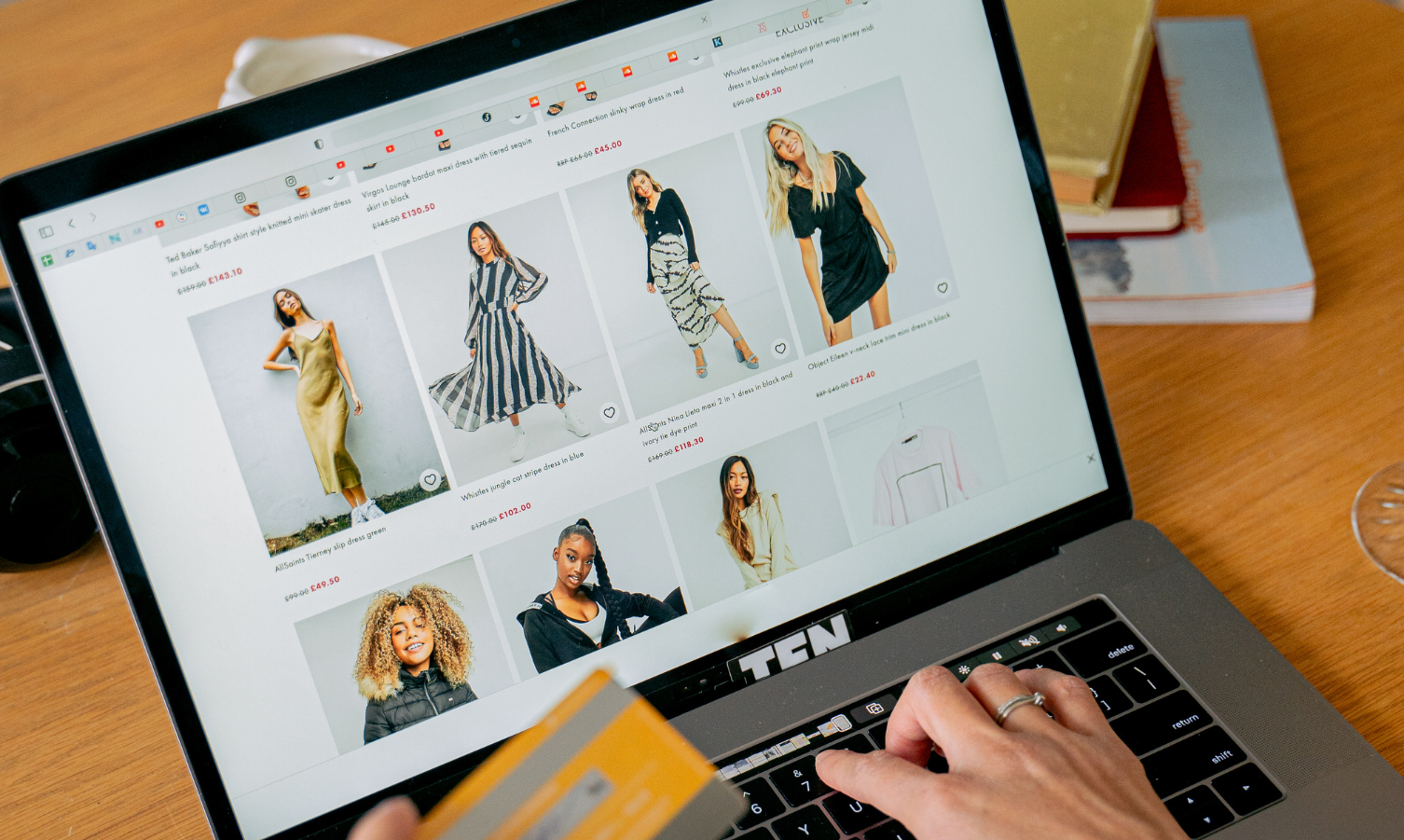
Branding isn’t just “nice-to-have” – it’s your competitive moat in the crowded D2C marketplace. With thousands of Shopify stores and Instagram ads bombarding consumers, a distinctive brand can be the factor that makes someone choose your product over a lookalike. Consider this: customer acquisition costs have skyrocketed in recent years (up ~60% since 2013) and 66% of DTC companies say rising ad costs are their #1 growth challenge shopify.com. You can’t afford to win customers only through paid ads forever. A strong brand creates organic demand – loyal customers, word-of-mouth referrals, and higher lifetime value – which helps you grow despite costly advertising.
During economic downturns or noisy market conditions, branding becomes an even bigger advantage. Studies show that when consumers tighten spending, they stick with brands they trust and feel connected to shopify.comshopify.com. In other words, if you’ve built a meaningful brand relationship, customers are less likely to stray to a competitor or make decisions purely on price. Marty Neumeier often says “your brand is not what you say – it’s what they say about you.” It’s the gut feeling your audience has about your product. Cultivating a positive perception in customers’ minds gives you resilience and pricing power that commodity sellers simply don’t have.
Moreover, branding and conversion go hand in hand. A cohesive brand instills confidence: when shoppers land on your site and immediately grasp who you are and why you’re different, they’re more likely to purchase. In fact, consumers judge a company’s credibility largely by its online appearance – one study found 94% of first impressions of a website are design-related cliquestudios.com, and a polished, consistent brand presence signals professionalism. A weak or inconsistent brand, on the other hand, can undermine even the best marketing strategy. No one wants to be the D2C brand that spends a fortune on ads only to see visitors bounce due to a confusing or bland brand experience.
The bottom line: branding is your competitive advantage because it creates differentiation, trust, and loyalty – the trifecta that lowers your marketing costs and boosts your conversion rates. Now, let’s break down how to build a high-converting D2C brand, step by step.
The 5 Pillars of E-Commerce Branding That Converts
Every e-commerce brand that truly converts is built on a solid foundation. Here are the five pillars to focus on:
1. Positioning: Be Known for Something Clear
In a saturated online market, if you’re trying to be everything to everyone, you’ll be remembered by no one. The first pillar of a conversion-driving brand is sharp positioning. This means identifying exactly what your brand stands for, who it’s for, and why it’s different. Think of your positioning as the mental real estate you want to own in your customer’s mind – the one thing they immediately associate with your brand. Are you “the most comfortable eco-friendly shoes” (Allbirds)? The “community-driven beauty brand for real skin” (Glossier)? Find your clear hook.
Why is this so critical? D2C expert Nik Sharma notes that the days of succeeding with a generic product and heavy ad spend are over – you need a meaningful “reason to buy from your site specifically” linkedin.com. A recent analysis of Shopify stores found that only about 3% ever break the $1M revenue mark, and the biggest factor separating winners from the rest was having a strong niche and product differentiation linkedin.com. In other words, brands that grow are those that zag where others zig: they choose a category or point of view that sets them apart. Marty Neumeier might call this finding your “onlyness” – what makes you the only choice for your particular target customer.

To sharpen your positioning, start with strategy questions: What unique value do we offer? Which customer segment can we serve better than anyone? What pain point or desire are we addressing that competitors aren’t? For example, Allbirds broke through by prioritizing comfort and sustainability over flashy style, filling a gap for eco-conscious shoppers who wanted uncomplicated, comfy shoes bigblue.co. That clear focus attracted a tribe of loyal fans. Your brand’s positioning should be crystal clear in one sentence – if you asked a random customer what your company is about, their answer should align with your intent.
From a conversion perspective, strong positioning makes marketing more effective. It informs your messaging, your visuals, and even your product development. When a visitor lands on your homepage, they should immediately “get” what you’re about and why you’re different – that clarity can hook them within seconds. If you haven’t nailed this down, take a step back and craft your brand strategy (our Startup Branding Guide can help you build a scalable brand foundation from day one). Remember, branding precedes marketing – as we’ve written in our Branding vs Marketing article, there’s little point in pouring money into ads if you haven’t defined what makes your brand special. Invest the time to be known for something meaningful, and conversions will follow.
2. Visual Identity That Aligns with Buyer Psychology
Humans are visual creatures – especially online, where attention spans are short. Your visual identity (logo, colors, typography, imagery, web design) is often the first thing potential customers notice. But great brand visuals aren’t just about looking “cool” or on-trend; they need to resonate with your buyer’s psychology and expectations. In essence, your visual identity should communicate your positioning at a glance and evoke the right emotions to prime someone to buy.
Start with your color palette and design style, and consider the emotions they convey. Neil Patel often discusses color psychology in marketing – for example, blue can signal trust/security (popular in fintech or health brands), green can imply eco-friendliness or growth, red can create a sense of urgency or excitement. Think about the feelings you want your target customer to have. A luxury D2C brand might use sleek black and gold for a premium feel, whereas a fun kids’ brand might use vibrant, playful colors. Buyer psychology hack: Use contrast wisely – your call-to-action buttons should use a color that stands out but still fits your scheme, guiding the eye without clashing.

Consistency is key here. Every touchpoint should look and feel like it’s from the same brand. This builds familiarity and trust over time. In fact, maintaining a consistent brand presentation across platforms can increase revenue by up to 23% theschedio.com – a testament to how consistency converts to dollars. From your social media graphics to your packaging design, use a unified visual language. Chris Do often emphasizes clarity and cohesion in design: simple, well-aligned visuals not only look professional but also help customers recognize you instantly in the sea of content they scroll through daily.
Importantly, visual identity is more than just a logo. (Your logo is just one element of the identity system.) It’s a common mistake to equate branding with “I have a logo, I’m done.” In reality, your brand’s visuals encompass a whole ecosystem: header images, product photos style, iconography, web layout, etc., all guided by a set of brand guidelines. (If you’re unsure about the difference, see Visual Identity vs Logo Design – we break down what founders need to know before hiring a designer.) The goal is to ensure that when a potential customer encounters your brand anywhere – be it your website, an ad, or packaging – they get a cohesive message. This reduces friction and subconscious doubts, making them more likely to convert.
Finally, align your design with your audience’s aesthetics and expectations. A brand targeting Gen Z might opt for bolder, meme-inspired visuals, while one targeting an older demographic might be more classic and straightforward. Glossier is a great example: their clean, pastel visual identity (from the millennial pink packaging to the minimalist Instagram posts) perfectly aligns with their audience of young, modern beauty enthusiasts, making the brand feel instantly relatable and trustworthy. The result? Visitors feel, “This brand is for me,” which is exactly the sentiment that encourages a first purchase. Aim for that kind of alignment – visuals that not only look good, but also feel right to your ideal customer. That emotional congruence will significantly boost your conversion potential.
3. Product Presentation: The Digital Shelf
Imagine walking into a retail store where products are tossed randomly on the shelf, with no price tags or descriptions – you’d probably walk right out. The same principle applies online: your product presentation is your “digital shelf,” and it can make or break the sale. This pillar is all about how you showcase your products on your e-commerce site (and other channels) in a way that is enticing, informative, and on-brand.

High-quality visuals are non-negotiable. This includes product photos from multiple angles, close-ups, lifestyle images showing the product in use, and even 360° views or videos if applicable. Customers can’t touch or try your product through the screen, so your imagery needs to bridge that gap. Clear, detailed visuals help customers imagine owning the item – building confidence in their purchase. For example, if you sell apparel, show how the clothes fit on models of different sizes. If you sell gadgets, include a short demo video. These tactics have been proven to increase conversion because they provide clarity on design, scale, and functionality sprout.ccsprout.cc, reducing hesitation.
Next, craft compelling product descriptions. This is where you fuse features and benefits with your brand’s voice. Instead of a bland list of specs, tell a mini-story about the product: why you made it, how it solves a problem or enhances life, and what makes it special (relating back to your positioning). Use sensory language if possible, and keep formatting scannable (bullet points for key features, short paragraphs). And always consider buyer psychology triggers: social proof (reviews, ratings), urgency or scarcity (limited edition, low stock indicators if honest), and guarantees (easy returns, warranties). A prospective buyer should find answers to all their questions on the product page without needing to dig around.
Crucially, weave your brand story into the product page. Don’t treat it as a separate entity from the rest of your site’s content. If your brand’s mission is sustainability, include a blurb or icon about the eco-friendly materials right in the product details. If your brand’s vibe is playful, add a touch of humor or a quirky tagline in the description that reinforces that personality. This not only differentiates you from generic marketplaces but also reinforces why the customer is buying from you. Enhanced content features – like additional sections with graphics, comparison charts, or “our story” snippets – can further elevate the shopping experience. Shopify reports have noted that telling your brand’s story within product listings creates an emotional connection with customers and can lead to higher conversion rates sprout.cc. People love to feel they’re buying into something bigger than just a product.
Remember, your product presentation should answer the customer’s unspoken question: “Why should I buy this from you, right now?” If you cover that by showing the product beautifully, conveying its value, aligning with their values, and easing any fears (through reviews or guarantees), you’ve set the stage for conversion. In D2C e-commerce, your website’s product page is your most important salesperson – train it well!
4. Customer Touchpoints That Reinforce the Brand
Your branding doesn’t stop at the purchase button – in fact, it’s just getting started. Every interaction a customer has with your company, before and after a sale, is a brand touchpoint. The brands that truly convert and retain customers are those that consciously reinforce their brand values and messaging at each of these touchpoints. This builds trust, loyalty, and ultimately more conversions (repeat purchases, referrals, etc.).
Consider the journey your customer takes: It might start with an Instagram ad or a Google search (first touchpoint) leading to your website homepage (second), then a product page, then checkout. But it continues: order confirmation email, the unboxing experience when the product arrives, your customer support if they have an issue, your newsletters or social posts that keep them engaged, and so on. Each of these is an opportunity to delight the customer and remind them why choosing your brand was the right decision.

Brand consistency across channels is paramount. Use the same tone of voice in your emails and customer service chats as you do in your marketing. If your brand voice is friendly and witty, an order confirmation might say “Woohoo! Your order is on its way (high-five 🖐️)!” instead of a generic “Your order has shipped.” Small touches like this reinforce personality. If your brand is more formal and luxurious, the language should reflect that consistently (e.g., “Thank you for your purchase, we’re diligently preparing your order.”). Packaging is another big one: a D2C study famously found that a great unboxing experience can significantly increase customer satisfaction and even lead to YouTube unboxing buzz. Are you using your packaging to create a moment of joy or surprise? Think of the “wow factor” when opening an Apple product or the delight of Glossier’s pink bubble wrap pouches with fun stickers – these moments stick in customers’ minds.
Beyond consistency, use touchpoints to add value and build trust. For instance, include a small printed card in the shipment that tells your brand story or thanks the customer personally. Ensure your FAQ page or chatbot is helpful and on-brand in its helpfulness. If a customer reaches out for support, how you handle it can turn them into a raving fan or a detractor. Brands that empower their support teams to go the extra mile (like sending a handwritten note or a free replacement without hassle) often see that goodwill pay off in positive reviews and word-of-mouth.
All of this effort has a direct impact on conversion metrics. Happy, trusting customers come back for second and third purchases, boosting your customer lifetime value. They’re also more likely to leave positive reviews and refer friends, which in turn brings you more conversions. It’s a virtuous cycle: a consistent brand experience breeds trust, and trust drives conversions. In fact, studies show that brand loyalty can translate to revenue growth – consistent branding can increase revenue by 23%, as noted above, and one reason is that customers keep coming back theschedio.com.
So map out every touchpoint (pre-sale and post-sale) and ask, “Is this reinforcing our brand promise? Are we delighting or at least satisfying the customer here?” By aligning each interaction with your brand values, you create a cohesive journey. This not only helps convert a first-time buyer but also converts them into a loyal brand advocate – the ultimate goal of branding.
5. Conversion-First Design Without Losing Brand Integrity
Finally, let’s talk about marrying branding with conversion rate optimization (CRO) – two disciplines that some mistakenly see as at odds. On one side, you have the pure brand builders who want everything beautiful and on-message; on the other, the growth hackers who want to A/B test fifty shades of neon orange buttons to see which converts best. The truth is, a high-performing D2C brand finds the balance: you design your website and funnels to maximize conversions and remain true to your brand identity.
Practically speaking, “conversion-first design” means you make it easy and compelling for customers to take action at every step. Some best practices are universal: fast site speed, mobile-friendly pages, clear navigation, prominent calls-to-action, and simplified checkout. These reduce friction – and friction is a conversion killer. (For instance, a well-known stat from Google indicates that even a 1-second delay in mobile page load can drop conversions by up to 20% huckabuy.com. Every second counts!) So, yes, compress those images and streamline that code – your visual flair won’t matter if the page doesn’t load or the buy button is buried.

However, being conversion-driven doesn’t mean resorting to spammy pop-ups or ugly flashing banners that ruin your brand vibe. Brand integrity should remain intact. Instead of generic “Subscribe now for 10% off” pop-ups, design them in your brand style and tone – perhaps it’s a friendly note from the founder, or a message that ties into your brand story (“Join the club for insider perks”). Ensure any on-site promotions or urgency elements feel authentic. Seth Godin often talks about building trust – if your conversion tactics feel like dark patterns or hard sells that conflict with your brand’s honest persona, you’ll erode trust and hurt your long-term conversions.
Here are a few tips to balance both:
- Use your brand voice in microcopy (the small bits of text on buttons, forms, error messages). A cheeky brand might have an “Oops, something went wrong. Let’s try that again!” message on form errors rather than a sterile “Error 402.” It keeps the experience on-brand without hurting usability.
- Guide the eye with design. You can adhere to your brand palette while still making the CTA button stand out – choose your secondary or complement color strategically. Good UI design can highlight calls-to-action through size, placement, and contrast within your brand’s aesthetic.
- Simplify the user journey. Make sure from the homepage to checkout, it’s crystal clear how to shop. Often, brands get too whimsical with navigation (creative names for categories, etc.) – keep it straightforward. You can inject personality into visuals and copy, but let the UX be friction-free. For example, if you have a bold, artsy brand, you can still have a standard cart icon and a “Checkout” label – don’t replace it with something like “Your Bag of Goodies” if it confuses people.
- A/B test carefully. Feel free to test different headlines, layouts, or offers, but ensure both variants are on-brand. For instance, you might test two value propositions on your homepage hero text – just make sure both are truthful to your brand. If one test suggests using aggressive urgency (“Only 3 left, buy now!!!”) but that conflicts with your brand’s calm, quality-oriented image, find a softer way to create urgency that fits your style (perhaps, “Limited run – nearly sold out”).
The goal is a seamless blend where a user feels immersed in your brand world and subtly guided to convert. When branding and CRO work together, it’s powerful: your site not only wows visitors but also smartly funnels them toward purchase. A quick case in point – many successful D2C brands like Warby Parker or Casper achieve clean, beautiful sites that also follow UX best practices. Warby Parker’s site, for example, uses plenty of white space and quirky illustrations (on-brand), but the calls-to-action (like “Order Home Try-On”) are unmistakably placed and easy to find. The result is an enjoyable shopping experience that doesn’t sacrifice conversion goals.
In summary, don’t choose between looking good and converting well. You can and should do both. By designing your e-commerce experience with a conversion lens and a brand filter, you ensure that more people not only click that “Buy” button but feel great about doing it – and that’s the recipe for sustainable growth.
Common Mistakes D2C Brands Make (and How to Avoid Them)

Even with the best intentions, D2C founders can stumble on the road to building a convert-worthy brand. Here are some common mistakes e-commerce brands make – and tips on avoiding them:
- Focusing on aesthetics over strategy: It’s a mistake to design a logo or a beautiful website before nailing down your brand strategy. A gorgeous site means nothing if your value proposition is unclear. Avoid it: Define your positioning and messaging first. Let strategy drive design, not the other way around. (Remember, branding is more than a pretty logo – strategy and identity must work together.)
- Inconsistent branding across channels: Your website might look polished, but if your social media, emails, or packaging tell a different story, customers get confused. Inconsistency erodes trust. Avoid it: Develop a simple brand style guide (colors, fonts, tone of voice, imagery guidelines) and apply it everywhere. Consistency builds recognition and credibility.
- Neglecting the “voice” and emotional connection: Some brands focus only on visuals and forget the verbal and emotional aspect of branding. If your copy is bland or your story is missing, you won’t inspire customers. Avoid it: Craft a compelling brand story and a distinct voice. Speak to the customer’s aspirations or pain points. Seth Godin would remind you that people don’t buy goods and services; they buy relations, stories, and magic. Infuse that magic into your copy and storytelling.
- Too much focus on acquisition, not enough on brand loyalty: Many D2C startups pour all their budget into Facebook/Google ads to get quick sales, while ignoring the post-purchase experience. This can lead to one-and-done customers. Avoid it: Balance your efforts between acquiring new customers and delighting existing ones. A loyal repeat customer is worth far more in the long run. Ensure your customer service, product quality, and follow-up engagement are as strong as your ads. Remember, retention is a function of brand trust and satisfaction.
- Copying competitors or chasing trends: It’s fine to learn from others, but blindly imitating a successful competitor’s branding can backfire – you’ll come off as a clone with no soul. Similarly, hopping on every design trend can dilute your identity. Avoid it: Stay authentic. Use competitor analysis to find gaps or opportunities, but carve out your own identity. If everyone in your niche is minimalist and monochrome, maybe your brand can stand out with a bold, colorful approach (assuming it aligns with your audience). Differentiate, don’t imitate.
- Ignoring the “small” touchpoints: Little details matter. Broken links, an ugly 404 page, or a no-frills packaging experience are missed opportunities to impress. Avoid it: Audit the entire customer journey regularly. Turn even small moments into brand moments – e.g., a witty 404 error message that redirects to your products, or a thank-you card in the box that makes customers smile.
- Thinking branding is a one-time exercise: Some assume once the logo and site are up, branding is done. In reality, brands evolve and need continuous care. Avoid it: Revisit your brand strategy periodically. Gather customer feedback. Are perceptions aligning with your desired brand? Tweak messaging or visuals as needed to stay relevant. However, avoid knee-jerk rebranding frequently – consistency over time is what yields brand equity. Evolve thoughtfully, not constantly.
- Underestimating budget (or overspending unwisely): Branding does require investment – whether time, money, or both. A mistake is expecting champagne results on a shoestring without strategy, or conversely, throwing money at fancy brand agencies without understanding what you need. Avoid it: Budget smartly for branding. Prioritize high-impact areas (like a good designer for your logo/visual system and solid copywriting for your site). Our guide Branding Costs Explained breaks down what a brand identity package might cost and why – use it to plan your budget. If funds are tight, you can still get a great outcome by focusing on strategy and a few key assets (see Startup Branding on a Budget for tips on maximizing impact without breaking the bank).
By staying mindful of these pitfalls, you can course-correct early. Every strong brand you admire has likely sidestepped these landmines (or learned from hitting one). Use these lessons to build a brand that doesn’t just avoid mistakes, but positively shines in the D2C arena.
Real Examples of E-Commerce Brands That Got It Right

Nothing drives the point home like real-world success stories. Let’s look at a few e-commerce brands (especially D2C pioneers) that nailed their branding in a way that translates to conversions:
Allbirds – This sustainable footwear brand entered a mature market (shoes) and still managed to stand out. How? Allbirds stuck unwaveringly to a clear niche and story: the world’s most comfortable shoe, made from natural materials. Their branding is unfussy, eco-friendly, and warm – just like their product. Allbirds’ site copy is straightforward and friendly, and they highlight their materials (merino wool, eucalyptus fiber) as part of the brand’s ethos. They also leveraged social proof (the buzz of Silicon Valley folks wearing them) and press effectively – Time even called their runners “the world’s most comfortable shoes,” a tagline Allbirds proudly uses bigblue.cobigblue.co. From a conversion perspective, their product pages hammer home the comfort+eco value prop, and they offer a risk-free trial (free returns) which aligns with their “we care about you” brand vibe. The consistency from product design to messaging (comfort + sustainability, always) means when customers land on Allbirds, they immediately get why these $100+ casual shoes are special – and they buy in. Allbirds grew to a billion-dollar valuation in just four years, proving that a clear, well-communicated brand mission converts even in a crowded field.
Warby Parker – Often referenced as a D2C pioneer, Warby Parker disrupted eyewear by making the experience fun, easy, and affordable – all wrapped in a strong brand. Their positioning: boutique-quality glasses at a fraction of the price, with a social mission (for every pair sold, one is distributed to someone in need). Warby’s branding is hip but approachable – think quirky illustrations, literary-themed store decor, and a conversational tone. They famously offered a Home Try-On program which not only solved a practical barrier (choosing frames at home) but also became part of their brand story (“try 5 pairs for free at home, no risk!” feels friendly and confident). On the website, you’ll notice how clean and intuitive the design is: despite a wide product range, they guide you with easy quizzes and clear CTAs (“Order Home Try-On” is prominent). Warby Parker shows that brand and UX can work hand in hand – their brand makes you smile, and their conversion flow is seamless. The result: a multi-billion dollar company that largely grew through word-of-mouth and clever marketing rather than heavy paid advertising, because customers loved the experience.
(Honorable mentions: Dollar Shave Club – leveraged humor and a bold personality to shake up a stale market, converting millions via a viral video and a brand voice that spoke to regular guys fed up with overpriced razors. Gymshark – built a fitness apparel empire by creating a strong community on social media, with a brand that champions aspiring athletes and influencers; their consistent edgy-yet-positive branding keeps fans converting drop after drop.)
Each of these examples underscores the guide’s core message: they didn’t just make a pretty logo or run ads; they built an entire brand ecosystem that resonates with a specific audience. And that resonance translated into higher conversion rates, lower churn, and organic growth. Use their approaches as inspiration for your own brand strategy.
Final Thoughts: Don’t Just Look Good. Convert Better.

In the world of e-commerce, looking good is just the starting point. The real winners are brands that look good and convert great. As we’ve explored, a high-converting D2C brand is the sum of many parts: sharp positioning, a relevant and consistent visual identity, persuasive product pages, a cohesive customer experience, and smart design that guides users to action. It’s a holistic effort – neglect one piece and the whole machine sputters.
The good news is that by focusing on brand strategy from the outset, you set yourself up for sustainable success. A flashy website might win a customer’s attention once, but a trustworthy brand will win their heart (and repeat business) over and over. Seth Godin often reminds us that brands succeed by creating emotional connections – by being authentic and memorable. Marty Neumeier would add that a brand is a gut feeling; you want that gut feeling for your brand to be confidence and excitement in your customer’s mind. When that happens, conversion isn’t a struggle – it’s a natural next step for the customer who already believes in you.
So, don’t be the entrepreneur who obsesses only about vanity metrics or the latest design fads. Be the one who obsesses about the customer – their needs, their psychology, their journey. Use branding as the vehicle to meet those needs at every touchpoint with clarity and flair. The payoff will be evident not just in how your brand looks, but in your bottom line: more add-to-carts, more checkouts, more loyal fans.
In the end, e-commerce branding is about balance. It’s left-brain and right-brain, art and science. By blending creative branding with data-driven optimization (and a deep understanding of your customer), you truly can build a D2C brand that doesn’t just look impressive, but consistently converts and drives growth. Now it’s your turn to make it happen – we can’t wait to see what you create!
(Ready to take your brand to the next level? Jump to our checklist below for an actionable summary, and check out the FAQ for quick answers to common branding questions.)
E-Commerce Branding Checklist

Before you launch (or rebrand) your next D2C venture, run through this handy branding checklist to ensure you’ve covered all the bases. Use it as a final “quality control” for your brand’s conversion power:
- Clear Brand Positioning: Can you summarize who your brand is for, what you offer, and why it’s different in one compelling sentence? (If not, refine your positioning until you can. Your tagline or hero message should reflect this clearly.)
- Defined Brand Personality & Voice: List 3-5 adjectives for your brand’s personality (e.g., bold, quirky, expert, compassionate). Is this personality evident in your copywriting, visuals, and customer interactions? Consistency here builds trust.
- Cohesive Visual Identity: Do you have a defined logo, color palette, typography, and image style that align with your brand story and appeal to your target audience? Check that your website, social profiles, packaging, etc., all use these elements cohesively for instant recognition.
- Quality Product Presentation: Review your product pages. Do you have high-resolution photos (multiple angles, lifestyle shots), engaging descriptions that focus on benefits, and any relevant videos or 360° views? Make sure you’ve also included social proof (reviews/testimonials) and clear pricing and shipping info to eliminate doubts.
- User-Friendly Website Design: Navigate your site as if you’re a first-time visitor. Is it easy to find products and information? Ensure your site loads fast (compress images, use a good host) and looks good on mobile devices. Clear CTAs (e.g., “Add to Cart,” “Sign Up”) should be visible and enticing on each key page.
- Streamlined Checkout Process: Abandoned carts kill conversion. Test your checkout – is it as short and simple as possible? Offer familiar payment options, allow checkout as guest, and be upfront about shipping costs. The design should be clean and on-brand, but prioritize usability here.
- Brand-Consistent Touchpoints: Check every point of customer contact. Confirmation emails – do they have your logo and a friendly note in your voice? Packaging – does it reflect your brand (even if simple, maybe a thank-you note or branded sticker)? Customer service scripts or chatbot – do they communicate in your brand tone? Align these details to turn one-time buyers into repeat customers.
- SEO and Content Alignment: Make sure your branding extends to your content strategy. Are your blog posts, FAQs, and about page reinforcing your brand’s authority and personality? (For instance, a “Startup Branding Guide” blog linked on your site should carry the same tone and offer the same value your brand promises.) Consistent content builds brand credibility and attracts organic traffic.
- Analytics and Feedback Loop: Set up basic analytics and gather feedback. Branding is not “set and forget.” Use tools (Google Analytics, heatmaps, surveys) to see how users interact with your site and where they drop off. Are there pages with high bounce rates indicating a possible messaging or design issue? Also, listen to customer feedback about your branding – do they understand your message? Use this data to continuously refine your branding and UX for better conversions.
- Strong Call-to-Action (CTA) for Next Steps: Whether it’s on your site or at the end of content (like this checklist!), have a clear next step for interested customers. It might be a prompt to shop now, a sign-up for your community or newsletter, or a free resource download. Make sure your CTA is compelling, on-brand, and easy to find.
If you can confidently tick off most (or all) of these items, congratulations – your e-commerce branding is in great shape to convert, not just impress. If not, no worries: use this checklist to shore up any weak spots. A little extra effort on these fundamentals can pay huge dividends when your store is live and customers start pouring in.
9. Frequently Asked Questions (FAQs)
Q: What is e-commerce branding?
A: Strategic branding is the process of deliberately crafting your business’s identity and value proposition to create a strong, cohesive brand that resonates with your target audience. It involves defining your brand strategy (mission, values, target market, positioning) and expressing it consistently through design, messaging, and experiences. It’s important because a clear and positive brand perception builds trust and loyalty among customers. In a crowded market, strategic branding helps your business stand out and be remembered. Companies with strong brands often enjoy higher customer retention, can charge premium prices, and experience easier marketing wins because people already recognize and trust their name. In short, strategic branding turns your business into a lasting asset – it’s the difference between just selling a product and building a loyal community around your product.
Q: How is brand strategy different from brand identity or design?
A: E-commerce branding is the process of shaping the identity and perception of your online business. It encompasses your brand’s visual elements (like your logo, website design, colors), messaging and tone (how you communicate in copy and customer service), and the values and story that you convey to customers. In simpler terms, it’s the personality of your online store and how that makes customers feel about your business. A strong e-commerce brand helps you stand out from competitors, build trust with shoppers, and encourage loyalty beyond just a single purchase.
Q: How is branding different from marketing for a D2C business?
A: Branding and marketing are closely related, but they serve different purposes. Branding is about defining who you are – your mission, values, visual identity, and the emotional impression you leave on customers. It’s long-term and foundational (think of it as setting the stage). Marketing is about how you promote that identity and your products – the strategies and tactics to reach customers (think advertising, emails, social media campaigns). In essence, branding is the message, marketing is the megaphone. For D2C startups, it’s important to establish branding first (clarify your story and look) so that your marketing efforts have a consistent and compelling message to convey. (For a deeper dive, see our full article on Branding vs Marketing which explains which to prioritize first as a new business.)
Q: How does good branding impact conversion rates?
A: Good branding can significantly boost conversion rates in several ways. Firstly, a professional and consistent brand appearance (logo, web design, etc.) creates trust – shoppers are more likely to buy from a site that looks credible and “put together.” (Studies have shown that a large percentage of people judge a website’s credibility by its design.) Secondly, clear branding communicates your value proposition quickly. When customers instantly understand what makes your product different or better (thanks to your branded messaging), they’re more inclined to add to cart. Emotion plays a role too: branding often evokes feelings. A brand that makes someone feel understood or cool or safe will motivate that person to become a customer. Finally, good branding ensures a smooth, pleasant user experience – from navigation to checkout – because everything from visuals to copy is aligned and user-friendly. All of these factors reduce hesitation and friction, leading to higher conversions. In short, branding lays the groundwork for customers to feel comfortable buying from you.
Q: Can I build a strong D2C brand on a small budget?
A: Absolutely – a huge budget is not a requirement for great branding. While money can buy professional design and advertising, creativity and consistency are far more important. Many iconic D2C brands started lean. To brand on a budget: focus on the essentials first. Develop a clear brand strategy (your story, target audience, key message) – that costs nothing but research and thought. Next, invest in a few high-impact items: for example, a well-designed logo and a basic style guide (colors, fonts) that you can apply yourself across your website and social media. There are affordable freelance designers or even DIY tools that can help with this. Use consistent templates for things like Instagram posts or email newsletters to maintain a pro look. Also, leverage organic marketing – such as engaging storytelling on social media or community-building – which can be more about effort than dollars. The key is consistency and authenticity; even on a small budget, if your brand presentation is uniform and your message resonates, customers will perceive your brand as solid. (Our blog post Startup Branding on a Budget: High-Impact Identity Without Breaking the Bank is full of tips on this topic if you need more detailed ideas.)
Q: What are some examples of successful e-commerce D2C brands?
A: We discussed a few in the article above – Glossier and Allbirds are standout examples. Glossier built a billion-dollar beauty company by branding around real customer voices and a minimalist, relatable aesthetic (they basically made customers their ambassadors). Allbirds carved out a niche in footwear with a story of sustainability and comfort, sticking to that brand promise unwaveringly. Other great examples include Warby Parker (eyewear) – they disrupted their industry with a friendly, hip brand and customer-centric policies like Home Try-On, Dollar Shave Club (razors) – who used humor and a bold “no-BS” voice to attract a massive following (their viral video is a masterclass in branding tone), and Gymshark (fitness apparel) – which grew by fostering a community of fitness enthusiasts and influencers around its brand. Each of these brands has a clear identity and strong connection with their audience, which translated into impressive sales and growth. Studying what they did right (as we’ve highlighted earlier) can offer inspiration for your own branding efforts.
Q: When should a startup begin focusing on branding?
A: As early as possible. In the D2C space, branding is not something to slap on later; it should develop alongside your product. You don’t necessarily need to spend a lot on design from day one, but you do need to start defining your brand strategy (your target audience, your value proposition, the tone you’ll use, etc.) even before you launch. Early on, this might be as simple as choosing a business name that captures your vibe and crafting a one-page document about your mission and differentiation. As you develop your product or service, let that brand vision guide decisions. By the time you’re ready to create a logo, website, or social pages, you’ll have a clear idea of the identity you want to portray. Founders who invest in branding early often find it easier to attract customers and even investors, because there’s a clear story and personality behind the business. On the flip side, if you delay branding too long, you risk appearing generic or inconsistent once you do start marketing. So, even if it’s just in brainstorm mode – start thinking about branding at the outset of your startup journey.
Q: What should I include in an e-commerce branding checklist?
A: An e-commerce branding checklist should cover all the elements that ensure your brand is presentation-ready and primed to convert. Key items would include: a clear brand positioning statement (what’s your niche and USP?), a defined visual identity (logo, colors, fonts – and using them consistently across site and socials), a brand voice/tone guideline (how your copy and communication should sound), a user-friendly website design that aligns with your branding, high-quality product images and descriptions that tell your brand story, consistency in branding across all customer touchpoints (emails, packaging, customer service), and analytics set up to monitor user engagement (so you can tweak as needed). It’s also wise to check things like site speed and mobile optimization under the branding umbrella because they affect user perception of your brand’s professionalism. Essentially, the checklist is a mix of creative elements and practical UX elements. For a full breakdown, refer to the E-Commerce Branding Checklist section above – it lists concrete steps to make sure your branding is cohesive and conversion-ready.
Q: How can I measure if my branding efforts are working?
A: Measuring branding can be a bit abstract since it’s about perception, but there are concrete indicators to watch. Conversion rate is one (are more visitors buying after you revamped branding?), but also look at metrics like bounce rate and time on site – if your branding is engaging, people should stay longer and view more pages. Repeat purchase rate and customer lifetime value (CLV) are big ones; a strong brand often yields more loyalty and repeat business. You can also track direct traffic (people coming to your site by typing your URL or via bookmarks) – if that increases, it suggests people remember and seek out your brand. Brand-specific metrics like social media engagement (comments, shares) and brand mention volume online can show growing brand affinity. Qualitative measures help too: conduct customer surveys or read reviews – do customers mention your brand values or story? Do they use words like “trust” or “love” in relation to your company? Those are signs your branding is resonating. Over time, you might even do brand awareness studies (simply asking a sample if they’ve heard of your brand). In short, combine behavior metrics with customer feedback. If you see improvements in trust and engagement alongside sales, your branding efforts are likely paying off.
Building a D2C brand that converts is a journey – and you don’t have to do it alone. If you’re looking for expert guidance to fast-track your branding success, we’re here to help. At The Schedio, we specialize in crafting strategic e-commerce brands that not only look stunning but also drive growth. Feel free to reach out for a personalized consultation. Ready to elevate your brand and boost your conversions? Book a free discovery call or check out our e-commerce branding services – let’s build a D2C brand that truly speaks to your customers and takes your business to the next level.