


What is Nano Banana / Gemini 2.5 Flash Image & What It Means for Brands

Google’s Nano Banana (Gemini 2.5 Flash Image) is taking generative AI image editing mainstream. Here’s what it is, how it works, and what it could mean for marketers, product teams, and brand leaders.
Introduction
In 2025, Google quietly released a new feature within its Gemini suite that set off a wave of AI-generated 3D figurines, surreal selfies, and viral visual memes. The tool behind the trend? Nano Banana, the nickname for Google’s Gemini 2.5 Flash Image model. More than a quirky name, it’s a powerful generative image tool focused on editing real photos rather than creating images from scratch.
For brands, this is a game-changer. Instead of building complex 3D pipelines or hiring post-production editors for visual variations, Nano Banana enables product teams, marketers, and designers to edit, remix, and rebrand visuals instantly.
Let’s explore what it does, how it works, and how brands can (and should) use it.
What Is Nano Banana?
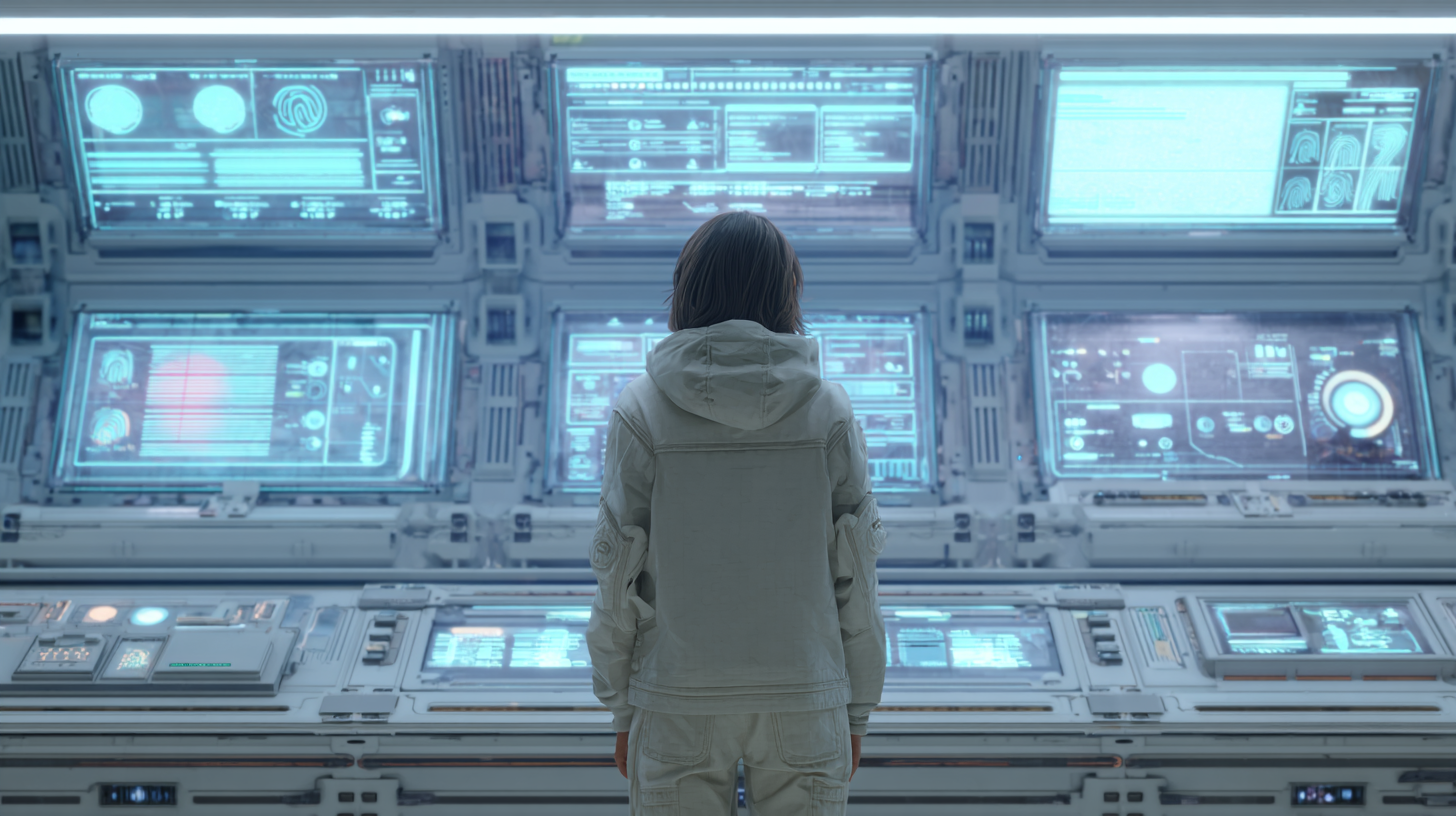
Nano Banana is the nickname given to Gemini’s Flash Image editing capability, part of the Gemini 2.5 release. It’s designed to let users upload a photo and apply creative or functional edits with simple prompts.
Unlike Midjourney or DALL•E, which are focused on generating new images from scratch, Nano Banana is optimized for editing existing photos – changing style, background, clothing, objects, or even turning a human into a clay figurine, while preserving identity and realism.
Key Features
1. Multi-Turn Editing
Make one change, then another, and another — while keeping the subject consistent. Useful for testing versions or making iterations without starting over.
2. Subject Consistency
Nano Banana uses advanced vision models to maintain facial features, pets, or objects across edits. This makes it ideal for brands needing consistent avatars, mascots, or product placement.
3. Style Transformations
Convert real images into stylized forms: 3D figurines, anime, clay, pixel art, and more. Brands can remix content to match different audiences or campaign aesthetics.
4. Prompt-Friendly Controls
Edit visuals with text prompts: “make it winter-themed”, “turn this shoe into a gold version”, “add neon lights”, etc.
5. Watermarking via SynthID
Google embeds visible + invisible watermarks to signal AI-generated content — a step toward ethical use in branded material.
Use Cases for Brands

Campaign Variations
Quickly generate multiple visual styles for a campaign (holiday, regional, aesthetic variants) without a new shoot.
Product Personalization
Show the same product in different settings (e.g. a sneaker in snow, sand, neon street). Ideal for e-commerce, DTC, or lifestyle brands.
Localization
Adjust backgrounds, weather, or cultural cues to localize visuals by market.
Social Media Content
Capitalize on trends by remixing branded visuals into figurines, retro styles, or meme formats.
Internal Prototyping
Test visual ideas, product concepts, or brand aesthetics quickly before committing to production.
Strategic Benefits
- Speed: Go from concept to visual in minutes
- Cost: Save on reshoots, editors, design tools
- Scale: Multiply creative output with small teams
- Consistency: Preserve identity across all visuals
- Ethical Use: Stay compliant with built-in watermarking
How to Access It

Nano Banana is available inside Google Gemini (mobile & web app) and AI Studio. Users upload a photo, write a prompt, and iterate. More advanced use may require access via Google Cloud or enterprise tools.
As of now, usage is free or quota-based for most users. Commercial licensing terms for large-scale brand use are still evolving.
Limitations

- Not ideal for generating full scenes or backgrounds from scratch
- Requires high-quality original images for best results
- Some stylizations may feel over-processed if not tuned
- Enterprise API access is limited at launch
Final Thoughts

Nano Banana is a big leap toward making generative AI useful for real brand workflows. It’s not about making surreal art — it’s about editing real photos with creativity and control.
For marketers, product teams, and designers, this opens the door to faster experimentation, more localized content, and scalable visual production without sacrificing quality.
If your brand isn’t experimenting with it yet, you’re already behind.